
When people finally shift their body wash or shower gel on their bathroom shelf, it stems from good intentions. A friend said their skin cleared up after they made the change. An article about safe vs. unsafe ingredients made them reconsider.
The fact that there’s something on the market without parabens and sulfates and artificial fragrances gets people’s wheels turning. But somewhere between understanding why not to use one product anymore and standing in the shower, seemingly empty-handed with a new bottle, no one really talks about what happens during and afterward.
What should go without saying is that a miracle occurs. The immediate adjustment or uncomfortable period of change begs concern. But reality actually lies somewhere in between and, honestly, it’s much more interesting.
The First Week Is Different (But Not Bad Different)
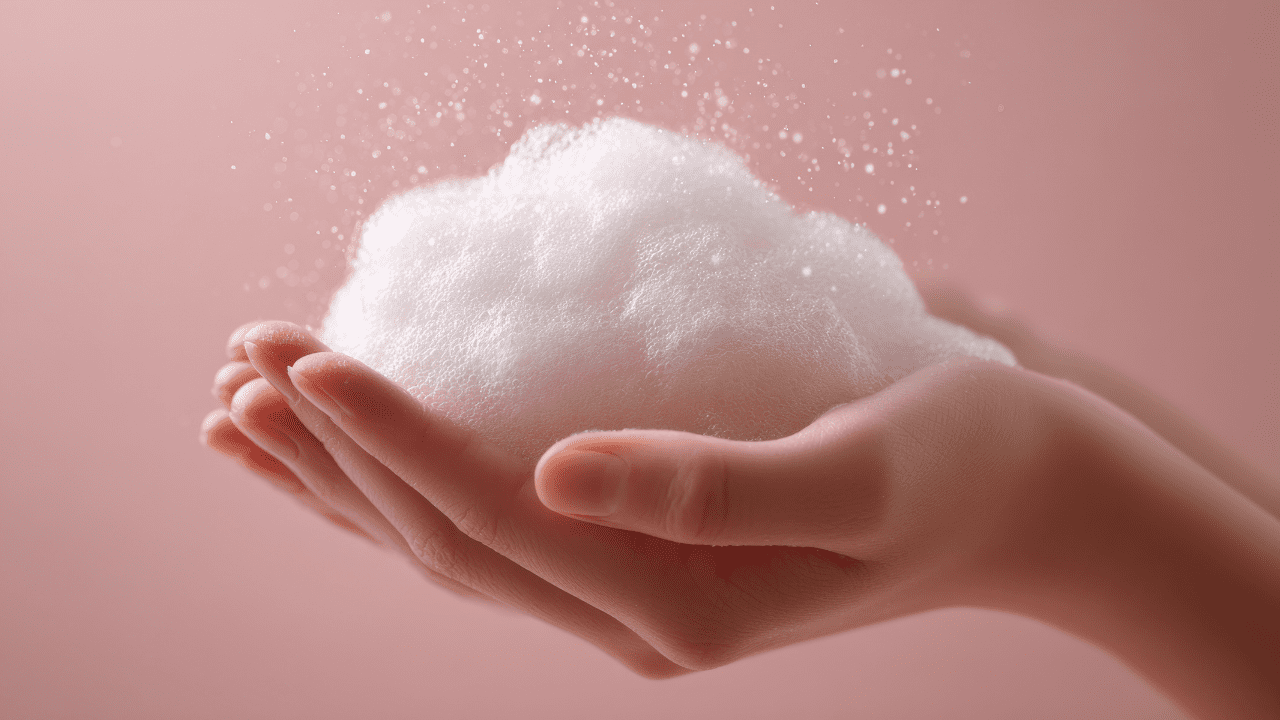
That first shower with a natural body wash is a bit misleading. Unfortunately, it’s not what years of training with a synthetic body wash accumulates. Everyone loves lather, but natural body washes do not have the same lathering capabilities as synthetic surfactants. It’s those giant fluffy bubbles packed into one bottle that people love.
They’ve been led to believe that lather equals cleanliness and softness; they’re literally washing themselves with cotton clouds. Sadly, natural alternatives do work but are scientifically less visually impressive and effective through coconut/sugar-based foaming agents.
It’s important that people recognize those giant bubbles are for aesthetics. Natural surfactants do not perform well if there’s going to be a production of that size of foam. The way bubbles are produced in synthetic products are merely synthetics creating gimmicks for their attention; the trade-off is that they create sufficient cleaning power as well.
It’s also textured differently, gel-like versus watery synthetics. Plant-based ingredients tend to be thicker/gel like, while some products like vegan shower gel use their botanical extracts and oils to provide a more substantial product on the skin while in use. It takes two or three uses for people to stop lamenting what they were used to getting from yesterday’s brands and appreciate what’s happening to their skin now.
Skin, too, might feel like it’s more clean (less squeaky) but greasy/nowhere near adult-appropriate. That rubbery feeling? That’s the absence of the stratum corneum, the keratin layer invisible to the naked eye. That initial onset is where good intentions work; this temporary absence feels weird for the first time in life because everyone thought that clean meant that there was an abundance of washing activity.
Week Two to Week Four: The Adjustment Period No One Warns You About
This is when things get real. The skin has lived under synthetic dominance for years, even decades. It’s either produced too much oil to compensate for consistent stripping or relied on silicones and synthetic moisturizers to feel back to normal.
Thus, when products are removed, every pore must recalibrate. Some folks end up drier for a week to two weeks. Some end up oilier. Some meet somewhere in between. This is all normal because now the body’s real needs are without resolution.
The problem is that people jump ship during this time. They assume the product isn’t working or that it’s worse now than before. But this is literally the skin 1) learning how to address itself without assistance; and 2) learning how to not be hypocritical about retaining body oil that used to work against them.
Body acne situations aren’t satisfying post-purging/pre-purging; pores filled with silicone and synthetic ingredients start to purge but it’s like the pre-wash that no one wants to see, and no one wants anyone else to notice. But it’s good! The body is cleaning house.
Week Six: When Things Actually Get Better
Around week six, a shift occurs, literally, in color. Skin tones become evened out as that juxtaposed dry patch next to an oily hole becomes balanced out.
Whereas prior complaints addressed dry patches versus oily poles, now people realize their skin is softer, without lotion post-shower, to the extent they thought they had just showered without washing.
Now, true elements of plant-based ingredients come into play; natural oils and botanical extracts don’t sit on the top layer of lipids like synthetic emollients, but they actually help with barrier-function integrity thanks to specific compounds housed within aloe/chamomile/plant-based oils.
The smell, too, let’s be honest: anyone confused by the smell of eucalyptus in their shampoo should just suck it up; at least it smells better than synthetic fragrances.
But here’s the kicker: synthetic fragrances smell overbearingly chemical-like. Natural fragrances and essential oils leave almost no scent residue behind, no irritation, unlike cotton candy frosting or pink lemonade from Bath and Body Works smelled over years’ worth of release.
Seasonal allergies and sensitivities almost always calm down over time naturally (this one I don’t get). Synthetic fragrance preservatives create a new baseline assessment while skin operates, shocking, allergic, to everything else (hence why it reacts). But once they stop being attacked passively, suddenly seasonal nuisance bumps or bad rashes clear up.
Months Three Plus: The Long Game
By month three, the magic truly happens; people have become accustomed, acclimated, skin matured as normal without synthetic influence.
This is where reports come in about texture and newfound sensitivity; skincare processes work better when the skin barrier can actually do its job instead of falling victim to simultaneous approaches trying not to dry up but ultimately failing.
Anyone who’s ever had dry skin issues from overly going it heavy on lotion appreciate when their skin still feels balanced without help, this happens because the skin becomes educated not to strip lipids while using appropriate soap alternatives.
People notice better body odor situations without concern, as in, they’re better off than they were prior when a synthetic approach masked realities with overpowered scents, but people without odor otherwise upon no products notice they’re better off than before.
Synthetic products turn on an underbelly of acidic nature they don’t want; natural products let the skin maintain its microbiome level without external interference.
Natural alternatives boast fewer complaints of skin issues overall; less irritation, fewer spontaneous breakouts with increased tolerance along with a tolerance to working better when skin isn’t at war constantly with itself due to outside approaches.
What This Means for Your Real Life
What it all comes down to regarding practical realities of switching from synthetic products isn’t nearly as drastic as supporters or naysayers want it to seem like it will be.
There’s an adjustment period for sure for about three weeks until it becomes increasingly better because that’s all people expect, from commercials and magazine ads, that when they use one natural product all will be well, their entire bath-and-body-care world will turn around.
This isn’t true for immediately upon purchase.
It only becomes true thereafter as people question all other elements all other care products had previously kept secret.
Cost concerns come into play; natural products tend to run more expensive on average (quality brands), but price per ounce ends up relevant more than it seems, people buy these $14 products but use one squirt instead of five, a little goes a long way, and naturally bottles tend to last longer as they’re more concentrated, allow for more normal assessment after three months’ stability than prior three-week warnings.
Purchasers only wish they switched sooner.
There’s an easy transition; benefits are quickly recognizable from weeks onward; going back to synthetics becomes aggressive offensive once one’s covered in alternative benefits that felt foreign at first but then became second nature, and no one ever goes back unless they’ve run out at home once and purchased something randomly at Walmart due to desperation, don’t be that person. Trust this process.
See more health posts here

Becky is the voice behind Life in Velvet, an organised, intentional living blog focused on practical food, calm homes, thoughtful projects, and everyday systems that make real life feel easier. A mum of 3 living in the UK, Becky writes from lived experience, sharing what works, what doesn’t, and the decisions that make family life run more smoothly.
With a background in marketing and content writing, and over a decade of blogging experience, she brings a thoughtful, structured approach to everything from baking and home projects to routines and decision-making. Life in Velvet is where planning meets creativity, with ideas designed for real homes and real life.