Let’s be honest—no one likes to talk about warts. They’re one of those pesky skin issues that pop up uninvited and hang around like that awkward guest who just won’t leave the party. Whether you’ve got a single stubborn wart on your finger, or a few sneaky plantar warts on the soles of your feet, the good news is: you’ve got options. And one of the most popular treatments? Cryotherapy wart removal. Or, as it’s sometimes called, cryo wart removal.
If you’ve been Googling your way through wart remedies and wondering what freezing those little blighters off actually involves, you’re in the right place. We’re going to talk through the process, how it feels, how long it takes, and whether it’s worth the chilly experience. Plus, there’s an FAQs section at the end for all those burning (or freezing?) questions.
So, What Exactly Is Cryotherapy Wart Removal?
Cryotherapy wart removal is a common and effective way to get rid of warts using liquid nitrogen. Yes, nitrogen—the same stuff used to freeze food or make foggy effects at concerts (but don’t try that at home!).
During the procedure, a healthcare professional applies liquid nitrogen directly onto the wart. This rapidly freezes the skin cells in and around the wart, effectively killing the virus that causes it (human papillomavirus, or HPV). Over the next few days, a blister may form, and eventually, the wart should fall off—usually within a week or two.
Sounds simple, right? Well, mostly it is. But as with all things medical, there’s a bit more to it.
What’s It Like to Have a Wart Frozen Off?
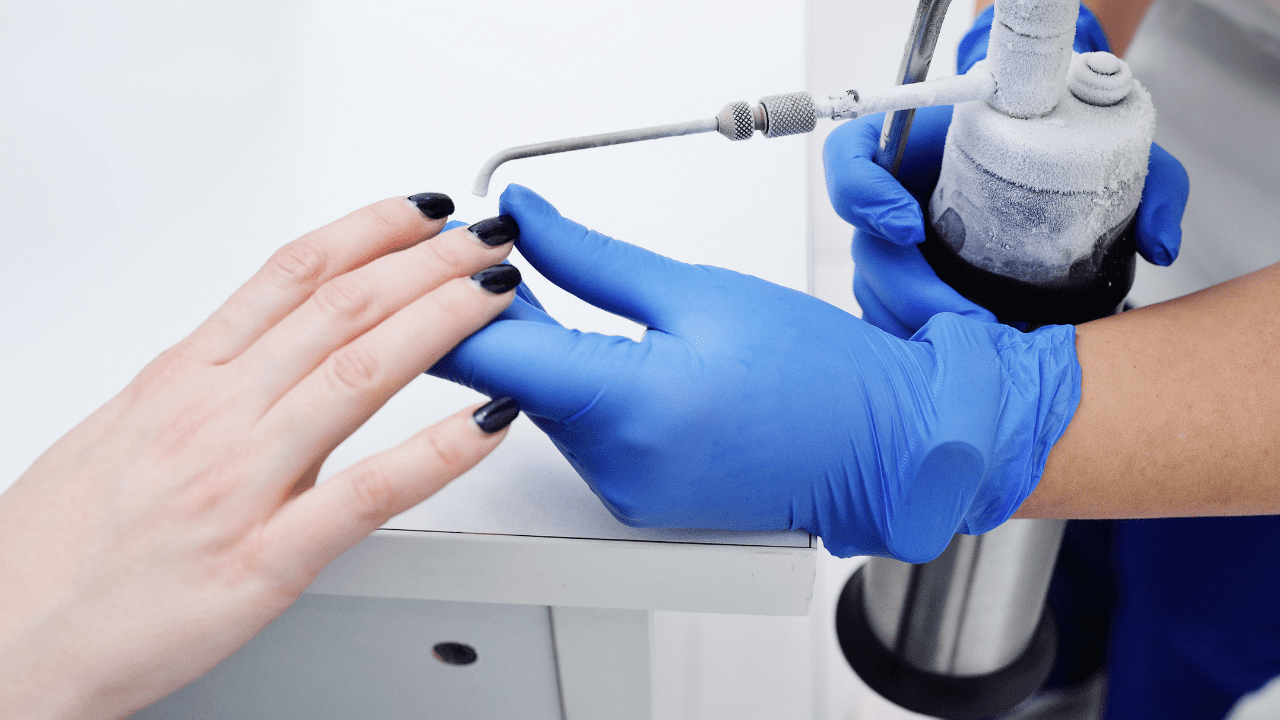
Picture this: you’re sitting in a clinic, your hand or foot is out, and the practitioner reaches for a canister that looks a bit like something from a sci-fi film. That’s your liquid nitrogen, and it’s -196°C. Yep, seriously cold.
When they apply the liquid nitrogen—either using a cotton bud or a spray gun—you’ll feel a sharp stinging or burning sensation. It’s quick, only lasting a few seconds, but it’s not exactly pleasant. Some people describe it as feeling like a bad ice burn, others say it’s like having a rubber band snapped against your skin. Uncomfortable, but tolerable.
Afterwards, the area will probably look red and may blister over the next 24–48 hours. That’s normal, and actually a good sign—it means the treatment is working. Over time, the blister scabs over, and eventually the wart drops off. Magic!
How Many Sessions Will I Need?
Now here’s where it gets a bit frustrating: one session might not be enough.
For smaller or newer warts, one freezing session might do the trick. But for more established warts—especially those on the soles of your feet, where the skin is thicker—you might need two, three, or even more treatments, spaced a few weeks apart.
It’s also worth mentioning that you might not see immediate results. Some people see the wart shrink right away, while others don’t notice much until a couple of weeks later. Patience is key.
What About Aftercare?
After cryo wart removal, you’ll want to:
-
Keep the area clean and dry.
-
Avoid picking at any blisters or scabs.
-
Cover it with a plaster if it’s rubbing against shoes or likely to get knocked.
-
Take paracetamol if it’s sore (though pain usually eases off after a few hours).
You might feel some tenderness or see a blister for a few days, but most people get back to their normal activities straight away. If you’ve had a wart frozen off your foot, try to avoid running or walking long distances until it feels better.
Does Cryo Wart Removal Actually Work?
In a word: yes—but not for everyone and not every time.
Studies show cryotherapy is around 60–70% effective, and often more effective if you repeat treatments. Its success also depends on the type and location of the wart, and how long it’s been hanging around.
Children and younger people often respond more quickly to cryo wart removal because their immune systems are more reactive. Adults, especially those with long-standing warts, may need a bit more persistence.
Is Cryotherapy Available on the NHS?
Here’s where things can get a little tricky in the UK. Cryotherapy wart removal used to be more widely available on the NHS, but due to funding changes, many areas no longer offer it unless the wart is causing significant pain, bleeding, or other health issues.
That means you might be advised to treat it at home first with over-the-counter treatments like salicylic acid or wart gels. If those don’t work, or if the wart is causing major problems, your GP might refer you to a dermatologist—or suggest private treatment.
Private clinics across the UK do offer cryo wart removal, and the cost usually starts from around £60–£100 per session, depending on the clinic and the number of warts being treated.
Can I Do Cryo Wart Removal at Home?
Yes… but with a big disclaimer.
There are over-the-counter cryo kits available at chemists in the UK. These use a less powerful freezing agent than liquid nitrogen—usually dimethyl ether—and can be effective for small warts. They’re easy to use and much cheaper than a clinic session.
However, home kits are less effective and often require multiple applications. And they don’t always work on tougher warts or verrucas. Still, if you’re in the early stages and want to try something at home, it’s a decent first step.
Are There Any Risks?
Cryotherapy is generally safe, but it’s not risk-free. Possible side effects include:
-
Pain or discomfort during and after treatment
-
Blistering and scabbing
-
Temporary skin discolouration (especially in darker skin tones)
-
Scarring (rare, but possible)
-
Infection if the blister is picked or not kept clean
It’s best to speak to a medical professional before treatment—especially if you have diabetes, poor circulation, or a weakened immune system.
Who Shouldn’t Have Cryotherapy?
While cryo wart removal is safe for most people, it’s not suitable for everyone. Avoid cryotherapy if:
-
You have diabetes (especially on the feet)
-
You have circulation problems
-
You’re pregnant or breastfeeding (check with your GP)
-
The wart is on your face or genitals (different treatments needed here)
In those cases, a specialist might recommend an alternative such as laser therapy, immune-boosting creams, or minor surgery.
The Verdict: Should You Freeze That Wart?
If you’re sick of that wart on your finger giving you the side-eye every time you make a cup of tea, cryo wart removal could be a brilliant option. It’s quick, generally safe, and often very effective—especially when done by a professional.
That said, it can be a bit sore, you may need multiple treatments, and it’s not always available on the NHS. If you’re not in a rush or your wart isn’t bothering you, it might go away on its own (eventually). But if it’s being stubborn or affecting your day-to-day life, cryotherapy is a solid choice.
FAQs: Cryotherapy Wart Removal
Q: Does cryotherapy hurt?
A: It can be uncomfortable—a stinging or burning sensation during application—but it only lasts a few seconds. You might feel some tenderness afterwards, especially if a blister forms.
Q: How long does it take for the wart to fall off after cryotherapy?
A: Usually within 1–2 weeks. Some people see results sooner, but others may need multiple sessions.
Q: Can I shower after cryo wart removal?
A: Yes, but avoid soaking the area. Gently pat it dry and don’t pick at any scabs or blisters.
Q: Can warts come back after cryotherapy?
A: Yes. Unfortunately, there’s no guarantee the wart won’t return—especially if the virus is still in your system. But successful cryo treatment often clears it completely.
Q: Are there alternatives to cryotherapy?
A: Yes. Salicylic acid treatments, duct tape, laser therapy, minor surgery, and immune-boosting creams are all used for wart removal. Your GP can help you choose what’s best for you.
Q: Is cryotherapy suitable for children?
A: Yes, though some children find it painful. It’s more commonly used in older children and teens. For younger kids, topical treatments might be a gentler option.
Warts can be annoying, embarrassing, and downright stubborn—but with cryo wart removal, you’ve got a fast, effective way to freeze them into oblivion. Whether you choose to visit a clinic or try a home kit, just remember: persistence pays off.
If you’re ever unsure, chat to your GP or a dermatologist. They can help guide you through the best options—and soon enough, you’ll be waving goodbye to your wart, frost-style.
See more health-related posts here

Becky is the voice behind Life in Velvet, an organised, intentional living blog focused on practical food, calm homes, thoughtful projects, and everyday systems that make real life feel easier. A mum of 3 living in the UK, Becky writes from lived experience, sharing what works, what doesn’t, and the decisions that make family life run more smoothly.
With a background in marketing and content writing, and over a decade of blogging experience, she brings a thoughtful, structured approach to everything from baking and home projects to routines and decision-making. Life in Velvet is where planning meets creativity, with ideas designed for real homes and real life.