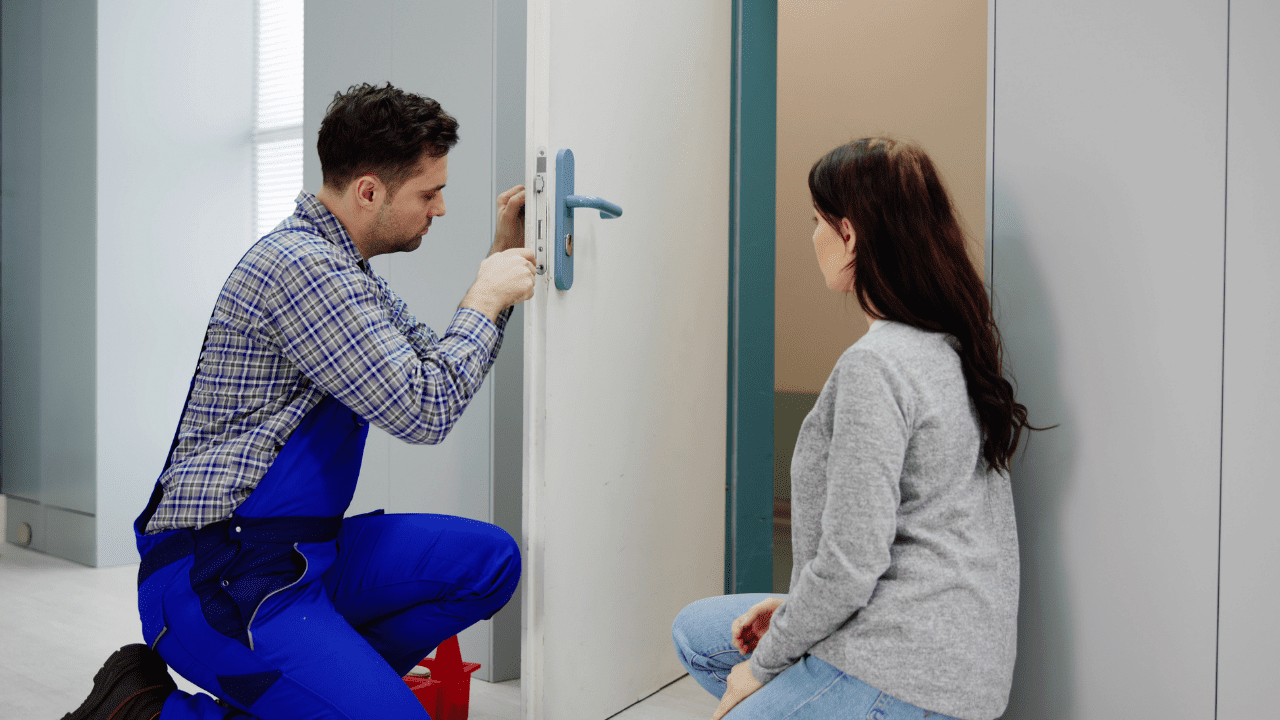
Patterns emerge from emergency callouts that most homeowners would never consider—until it’s too late. When locksmiths conduct emergency repairs in the dark of night or over the weekend, they see properties when they’re most vulnerable. They’ve been to homes which had security concerns growing for months, maybe years—and no one ever knew about it.
They Think They’re Fine—Until They Aren’t
Most people confidently walk up to their locks and assume everything is functioning properly… until the day it’s not. However, locksmiths know before it’s too late when things are on their last legs.
For example, locks that feel a little jammed but still open (with a little wiggle) aren’t just cranky. They’re showing early warning signs of internal disrepair. Pins are catching, springs are weakened, or corrosion is building. These locks all too often go to emergency status at the inopportune moment. Struggling to unlock your door when it’s freezing or late at night is never a good situation.
What people find surprising is how quickly things escalate from poor performance to catastrophic failure. A key that needs jiggling on Tuesday may not turn at all come Friday. Locksmiths generally have a paperweight in these situations as they open the door. They find damage that has gradually happened, but no one was there to catch it before it became an emergency.
The Snapping Problem
Many modern UPVC doors have euro cylinder locks. They’re efficient and inexpensive; however, older models have one significant flaw—they snap in less than a minute with basic tools.
When emergency locksmiths change these after attempted forced entry, typically no one realizes how vulnerable they’ve become. The cylinder seems substantial from the outside looking in and bolted properly; however, burglars know which cylinders will snap easily and which houses most likely have them.
There are anti-snap cylinder replacements that provide added security but are not prohibitively expensive; however, customers never get to this step when things are still working properly. The age-old adage that a lock is working as long as it’s providing security is only accurate until someone forcibly breaks something.
The Spare Key That Everyone Uses—but No One Admits
Most emergency locksmiths have come across the spare key hidden outside the house that is not-so-hidden and hasn’t been a secret in years. Under the welcome mat, inside a faux rock, above the door frame—these are standard places for all burglars to look.
What makes this worse is that homeowners forget about these spare keys. They move them and forget where they hid them, thus leaving them out in the rain one day, rusted when they attempt to retrieve it; someone finds it and never lets the key owner know; or worse, the spare has been out in the elements for so long, it’s just gone—along with any hope of getting into the house.
Yet what reigns supreme is the false sense of security. Homeowners feel comfortable forgoing securing their homes well as they have that spare out there. But without proper access to this key, residents need to hope for the best… which isn’t really the best.
Door Frames That Went Wrong Years Ago
Many emergency locksmiths who are called to forcibly open doors are surprised when there’s almost no resistance due to the door frame. It looks good from an external POV, but the wood inside hasn’t been treated well—it may be decayed or barely holding up the strike plate.
Hence, it doesn’t matter how good of a locking mechanism there is if the frame is merely there for aesthetic appeal. One good kick of a teenage foot brings down the whole door—not because the lock failed. Because there’s nothing securing it to anything strong enough.
Wooden door frames at ground-level are particularly susceptible. Over time, moisture seeps through paint and deteriorates what’s happened behind closed doors. Eventually, it looks great on the outside—but a kid could break in with relative ease.
Key Copies Too Many Times
Locks fail sometimes because keys have been copied too many times. Each copy introduces imperfections; after so many generations, the discrepancies are noticeable—and limited effectiveness is expected.
When emergency locksmiths see this happen, it’s easy to determine it’s 3rd or 4th generation material. This isn’t as friendly as all keys should be cut at a hardware store from an original—but people neglect to go back to original copies after excessive borrowing by tenants, dog walkers and other acquaintances over decades.
At some point, everyone loses access because no one has the original key anymore; this compounded with wear and tear means keys eventually stop working altogether at inopportune times.
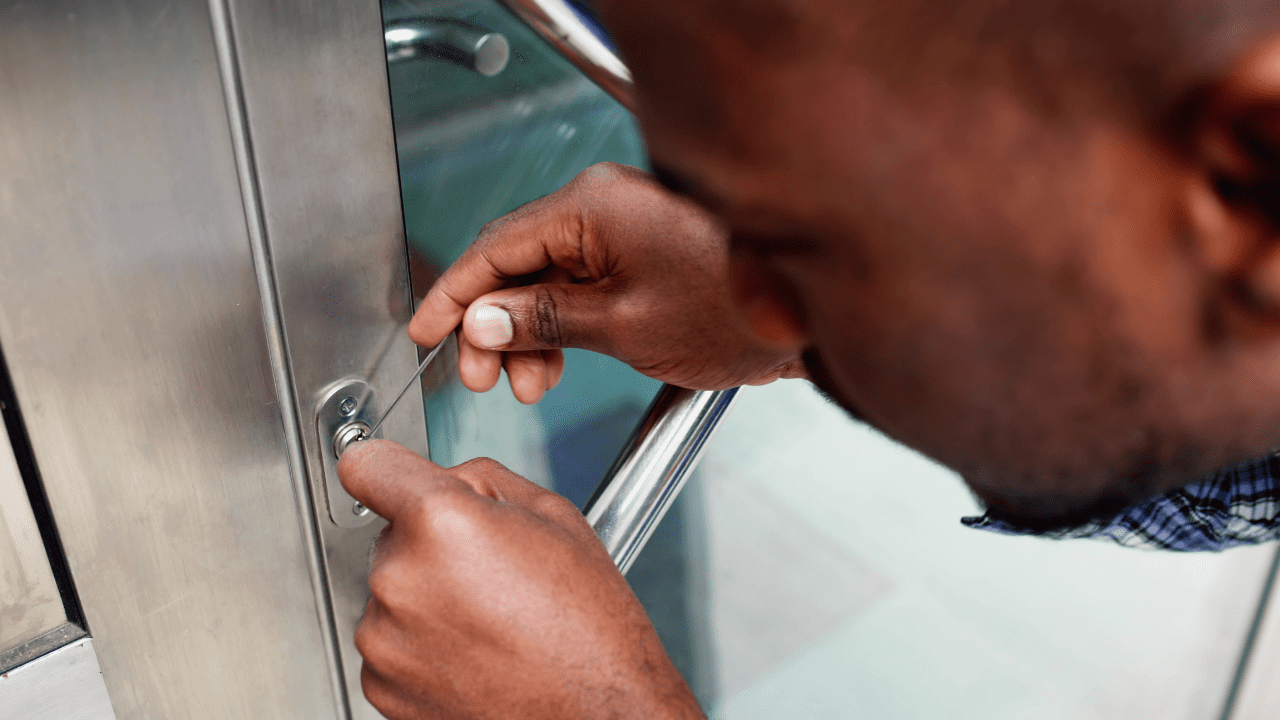
Multi-Point Lock Confusion
UPVC doors equipped with multi-point locking systems confuse others all too often. Multi-point systems engage several points along the frame with the pulling of a handle; it seems secure—but if people don’t know how to use it properly—or they’re misusing it—they’re setting themselves up for failure.
For example, those who lift the handle but forget to turn the key think they’re locked out completely—when it’s only secured by one latch that’s easy to kick down. Or those who try forcing a handle locked into place are jamming hardware that should remain intact.
Emergency locksmiths see these doors misused for months on end; they closed and opened multiple times without understanding what’s locking mechanisms help or hinder.
When these mechanisms fail, they fail altogether—they cannot be opened from either side without specific expertise.
What This Means For Homeowners
Many problems develop over time without anyone realizing there’s an issue until it hits emergency status.
Locks don’t just fail all at once—they give subtle signs that people ignore or neglect to take seriously. Stiffness and an unwillingness to operate properly—or keys needing extra pressure—are early warning signs.
When issues are taken care of before emergencies present themselves to locksmiths, they’re less strenuous, cheaper, and people don’t have to regret experiencing security issues at-inopportune moments.
Emergency locksmiths don’t care about what happens at home—they’re there for an end result of something that’s gone wrong after years of unnoticed problems—but many issues are easily preventable with clear signals presented along the way.
See more home posts here

Becky is the voice behind Life in Velvet, an organised, intentional living blog focused on practical food, calm homes, thoughtful projects, and everyday systems that make real life feel easier. A mum of 3 living in the UK, Becky writes from lived experience, sharing what works, what doesn’t, and the decisions that make family life run more smoothly.
With a background in marketing and content writing, and over a decade of blogging experience, she brings a thoughtful, structured approach to everything from baking and home projects to routines and decision-making. Life in Velvet is where planning meets creativity, with ideas designed for real homes and real life.