Most homeowners have a stable idea of what requires more attention, be it seasonally or annually. Changing the furnace filter happens every few months, gutters get cleaned a couple of times per year, there might even be an annual tune-up for the HVAC system. But air ducts? They’re out of sight, out of mind, running through ceilings and walls doing their job. The less they need to be thought about, the better, so they can be neglected until something drastic happens.
But by the time something drastic happens, the problem is already years in the making. Ductwork hasn’t become dirty overnight; years of dust and debris build up over time. What starts as a thin layer of particulate becomes a thick region that extends beyond air quality and access to how hard the heating and cooling systems have to work.
What Actually Happens Inside Your Ducts
There’s nothing magical about air ducts, they’re not airtight things that never collect dirt and debris. For air to enter and exit the rooms where there are return vents, it needs to flow through ductwork. When the heating and cooling systems turn on, they pull air in from the return vents throughout the house. This means they’re continuously sucking in whatever’s floating about – dust particles, dander, bits of pollen from open windows, cooking grease from improperly ventilated kitchens, and some of it gets caught by the filter. But much gets through and settles within the ductwork themselves.
Furthermore, parts of the ducts themselves add to collection. Old ductwork might lose insulation or have gaps through which attic dust gets invited in for a nice warm time. Construction dust from repairs can infiltrate through openings if ducts aren’t properly sealed off before contractors start their work. And in overly humid environments or with moisture problems, mold can grow within ductwork and either remains there or spreads its spores each time the heating and cooling systems kick into gear.
What people don’t realize is that even brand new homes aren’t immune from this type of buildup. Debris from construction often remains in ductwork – sawdust, drywall dust, bits of insulation, they’re blown throughout the house until someone breaks down and takes care of it.
What Signs People Overlook
The first sign, if you will, is dust; people realize that surfaces are dusty but typically chalk it up to their own laziness to clean more often than not. However, if surfaces become dusty within two days of being cleaned, as opposed to that one week mark, even with windows down and minimal foot traffic in the house, it’s important to note. Dust has to come from somewhere; if it’s constantly recirculating despite a good vacuum and swiffer once a week, it’s highly likely that it’s coming from the ductwork.
Uneven heating or cooling is another red flag that gets misdiagnosed. When one bedroom stays warmer in summer while others cool down fine, the typical assumption is that the HVAC system is too small or there’s an insulation problem. Sometimes, though, it’s just that particular duct run is so clogged that airflow is restricted. For homeowners dealing with persistent air quality concerns or noticing reduced system efficiency, working with a family owned business that provides a trustworthy service ensures the job gets done right without unnecessary upselling.
Musty or stale smells when the air is first turned on point to issues with moisture or mold. Those scents originate in ductwork but may dissipate after a few minutes so people convince themselves they’re fine. But it’s during those first few minutes where concentrated air pulls from ductwork and pushes into living spaces that allows everything that’s living in there to spread.
The Financial Impact People Ignore
Dirty ducts stress systems much more than they should have to. When airflow becomes restricted due to buildup, blower motors blow harder to try and push air regardless. That means extra electricity every single day. Over twelve months, that translates into thousands of extra dollars on utility expenses, but most people will never make that connection between their dirty ducts and exorbitant bills.
And it’s the same for filters. Clean duct systems allow filters to do what they need to do, collect incoming particles. But when dirty ducts are present, filters become overwhelmed fast because they’re trying to grab dirt that’s coming from outside plus everything that’s been recirculated from dirty ducts to begin with. Filters that should last three months are now requiring change every four-to-six weeks, and at three times the cost per year.
Blower motors suffer accelerated wear and tear, when they have to work harder than they’re made to work, but it’s not just blower motors as well. Access panels have issues. These are expensive parts to change out early on; premature failure does no one any good for years down the line before it’s necessary.
When Cleaning Makes Sense
Not every home needs duct cleaning on a standard schedule, three years minimum is just an average understanding. What actually drives specific homes and owners to need or desire cleaning more often falls down to specific circumstances.
For example, multiple pets means more dander and hair accumulating faster than if animals weren’t present at all. That furr is not only sitting on the floor and furniture but also getting sucked up into return vents and covering duct interiors as well; pet owners require more frequent cleaning than others – and those who have pets that shed even more severely need attention even more frequently.
New construction also dictates cleaning, even if construction cleaning occurred prior to a routine check up along before work was started. Most contractors can tape vents shut but dust still gets inside. Drywall dust is particularly pernicious because it’s so fine; following any major construction-kitchen remodels or addition of bathrooms or painting-the ducts deserve cleaning.
People who have respiratory issues or allergies have all the reason in the world for why cleaning should occur sooner rather than later, the last thing they need is poor indoor air quality raising symptoms daily as dirty ducts constantly reintroduce irritants into their breathing space.
How Cleaning Should Be Done
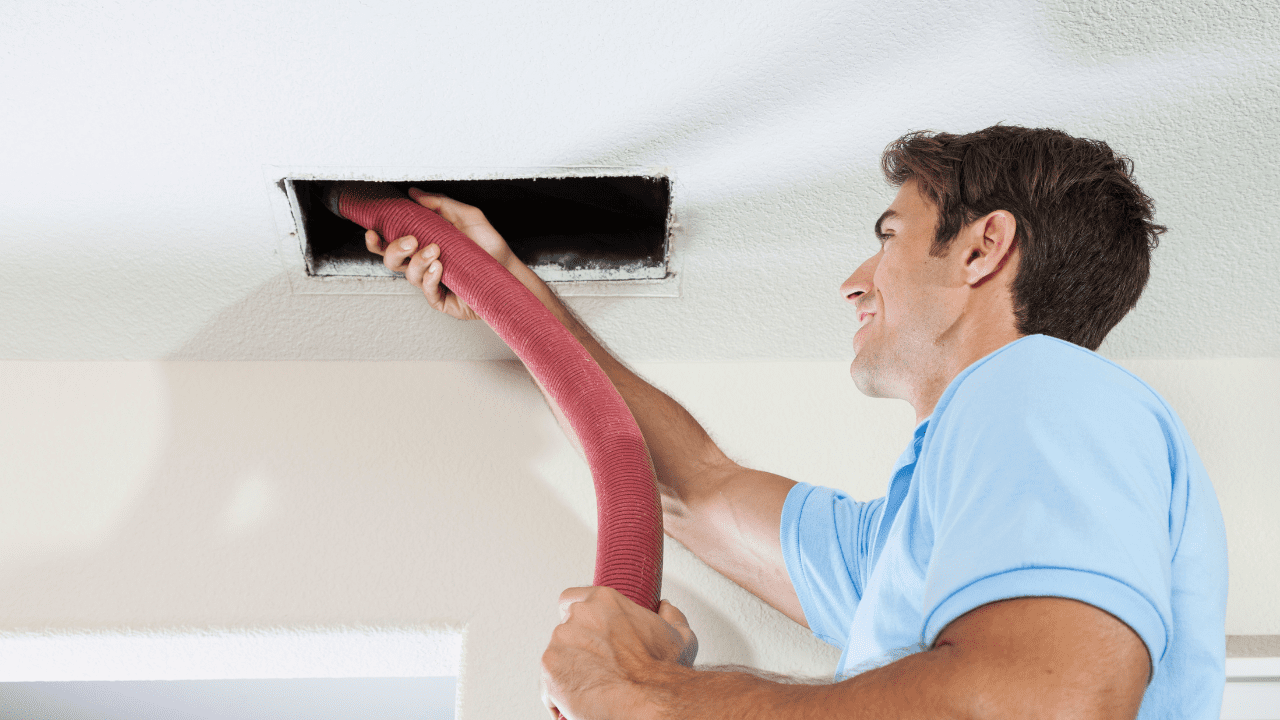
Cleaning isn’t shoving a shop vac into a floor register and calling it a day; industrial equipment with vacuum systems meet equipped with negative pressure throughout duct networks ensures cleaning happens effectively as technicians use rotating brushes/compressed air tools to dislodge buildup along duct walls.
The process requires supply ducts, return ducts, blower compartment access panels, evaporator coils and registers, but unless these critical components are taken apart for cleaning, corners are cut. If debris is remaining behind because only supply ducts were cleaned (or worse yet, coils weren’t), that stuff will continue recirculating through the system regardless of how much action has been taken.
Camera inspections pre-and-post provide documentation of what’s actually inside there and what’s actually been cleaned; it’s not merely for peace of mind, it provides assurance for homeowners who are paying good money for good service.
The Truth
Ductwork isn’t some magical phenomenon that cleans itself; they’re metal or flexible tubing accessible in unconditioned spaces collecting whatever passes through them in minuscule pieces until a years-long buildup occurs and poses dirt in places it otherwise shouldn’t be on a daily basis over time.
Ignoring them indefinitely assumes problems will arise gradually (higher bills, reduced comfort levels and degraded air quality) until they can no longer be ignored; however, giving them regular attention isn’t obsessive home maintenance or falling prey to service industry propaganda, it acknowledges how this hidden system serves as a benefit or detriment with daily comfort levels and ultimately costs over long periods of time.
No one needs picture-perfect duct systems but they deserve practical organization and cleanliness, aesthetics don’t matter as much as functionality, and functionality means it can’t be caked with years’ worth of dirt and grime that accumulates over time for anything profitable to ever happen again.
Staying ahead of problem solving before something obvious occurs saves money over time and hassle with cleaning-related efforts sooner rather than later; it’s another part of maintenance people don’t think of, but unlike a freshly painted room or a new bit of landscaping, people can feel it in their utility bills, how long systems last longer than expected and how much better (or worse) their entire house feels day in and day out.
See more home posts here

Becky is the voice behind Life in Velvet, an organised, intentional living blog focused on practical food, calm homes, thoughtful projects, and everyday systems that make real life feel easier. A mum of 3 living in the UK, Becky writes from lived experience, sharing what works, what doesn’t, and the decisions that make family life run more smoothly.
With a background in marketing and content writing, and over a decade of blogging experience, she brings a thoughtful, structured approach to everything from baking and home projects to routines and decision-making. Life in Velvet is where planning meets creativity, with ideas designed for real homes and real life.