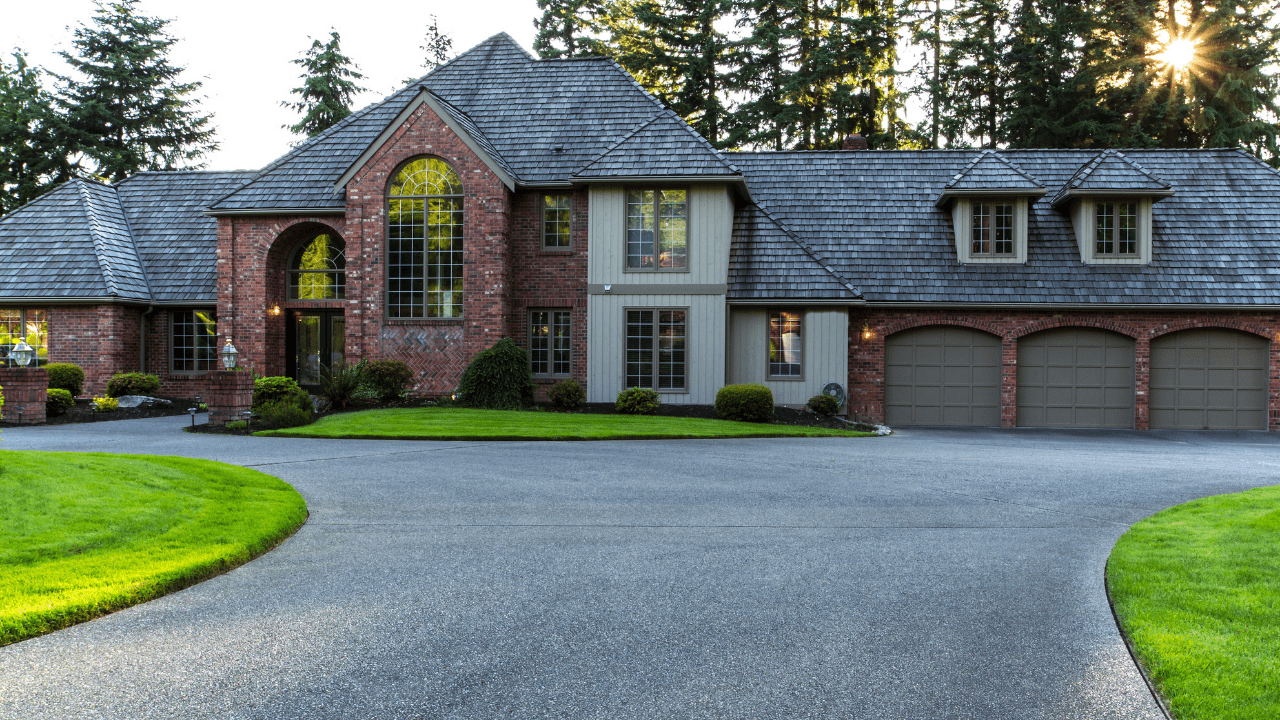
Homeowners assume that concrete will last a lifetime, a lifetime in which no additional thought has to go into creating or maintaining it. Pour it down, let it cure, and forget about it for decades. Not exactly. Yes, concrete lasts longer than many other surfaces and structure components, but a lifetime is relative to what you’re referencing and how.
For example, an installed concrete driveway should last at least 30 years; a concrete sidewalk should last 25 to 40 years; a concrete patio can last 50 years. But these numbers highlight the best possible case since many concrete surfaces show substantial wear and tear well before these ages, and it’s all dependent upon treatment.
What Really Wears Out Concrete
Concrete might look good on the surface, but through microscopic surface pores and a porous foundation, concrete gets attacked consistently. Water is the greatest enemy. Water gets in the pores as the temperatures drop, freezes and expands. This freeze/thaw cycle creates hairline cracks that worsen each winter over years. Eventually, that minor cracking resembles something akin to your driveway being hit by an asteroid.
Then there are substances on the ground that chemically erode it: motor oil, gasoline, de-icing salts, fertilizers – all can attack the integrity of concrete’s biological structure, and maybe ironically, the alkalinity of concrete works against it as acidic materials directly attack the chemistry. In fact, even fallen leaves left on a patio for too long can stain and eventually leach their own organic acids into concrete.
Sun exposure doesn’t help either; over time, UV rays bleach out the first layer of concrete to deteriorate faster than what lies below it. This uneven deterioration creates weaknesses that allow other factors to cause damage.
The Maintenance That Actually Matters
People underestimate the difference that professional cleaning can make; concrete is often attacked by mold, mildew, algae, dirt and grime that gets caked in over time. Professional cleaning – like that done by Cincinnati Viking Concrete & Power Washing – can prevent deterioration for concrete surfaces that hope to reach their full potential.
The other factor is resealing. Quality concrete sealers are barriers to water penetration and chemical assaults but resealing isn’t a once-and-done ordeal. Depending on use and wear, concrete surfaces need resealing every two to five years. This isn’t a scheduled event in many homeowners’ minds until significant damage has already been done due to neglect and the inability to stay ahead of resealing schedules turns repair processes into damage control efforts.
How Location Changes Everything
Not all concrete ages nicely over time; it’s relative to its surroundings. For example, a driveway with consistent vehicle wear and tear, oil drips and easy access to foot traffic will deteriorate faster than a back patio with foot traffic and two chairs on it. Concrete exposed to sunlight ages differently from concrete exposed to shade; improperly drained areas age faster from pooled water exposure compared with rapidly dried areas.
Climate makes a significant difference as well: Florida concrete ages differently than Ohio concrete; northern states freeze/thaw versus southern states getting hurricane damage versus desert climates experiencing hot days/cool nights. Therefore “30 year lifespan on a driveway” is an average based on experience that may or may not apply to your unique surface based on a multitude of factors from location and climate to weather patterns across seasons.
The Warning Signs People Ignore Early On
Concrete does not typically fail out of nowhere. There are ample signs it shows if people are actually looking for those signs. For example: surface scaling (the top layer flaking off) often happens long before structural damage occurs. Spalling that creates shallow craters penetrates the surface as water gets in and freeze/thaw damage begins in earnest.
In addition, color changes matter as well – even stains on the surface when dry indicate moisture below or within the surface which speeds up other deterioration processes. Hairline cracks are inevitable since concrete will crack; however, when those cracks widen or multiply exponentially, deterioration is now accelerating, and unless immediate efforts are taken, costs will be higher down the line to remedy those issues.
What Really Extends Lifespan
It’s not glamorous or sexy, but cleaning surfaces regularly helps extend their lifespan; removing debris and organic or chemical residues before they’re allowed to take root provides a protective layer without additional costs of repair or replacement down the line. That doesn’t mean you need to pressure wash every weekend to prevent new developments in textured maintenance (excess pressure can actually damage the surface) – professional cleaning at proper intervals means that cleaning helps keep things at bay without unnecessary impact.
Similarly, repairs help prevent accelerated deterioration; cracked fills can be sealed before they spread; surface damage can be repaired before infrastructure is compromised. But once again, the keyword is “prompt”; problems need fixing as soon as they’re identified instead of waiting until next year – or ever – to rectify the issue lest it become more expensive over time.
Proper drainage may be the most underrated factor helping solidify concrete longevity; if there is standing water either on or around concrete surfaces, no amount of sealing or cleaning will salvage it; going above and beyond – through proper grading/drainage channels or ensuring gutters are clear – will prevent major damage from occurring in the first place.
The Cost of Inaction
The reality is that while maintaining concrete costs money, replacement costs thousands more: a two-car driveway replacement costs $4000-$10,000 with size and location considerations determining price feasibility. Homeowners compared that cost against hundreds every few years for sealing and cleaning efforts…and it adds up quickly – plus the liability concerns associated with tripping hazards due to deterioration or cracked surfaces creating lawsuit hazards if someone falls while visiting your home – and property values ultimately suffer even if all other aspects look decent – broken down concrete makes it seem like no one cares about the property.
Making it Last
The concrete you have right now – whether it’s brand new or decades old – has a lifespan still remaining controlled partially by you. Professional maintenance, timely repairs and proper drainage can convince surfaces they have more life left ahead than if boundaries are established allowing for neglect to take hold more quickly.
Surfaces that last 40 years or even 50 did not get lucky; those are surfaces that received constant care before those small issues turned into catastrophic problems which helped create new problems along the way without issue thanks to proactive measures instead of damage control measures . That’s truly the whole game with concrete – preventable measures while things are still manageable with protective factors ensuring new problems don’t begin anymore – but that’s not sexy but it’s effective.
See more home and outdoor spaces posts here

Becky is the voice behind Life in Velvet, an organised, intentional living blog focused on practical food, calm homes, thoughtful projects, and everyday systems that make real life feel easier. A mum of 3 living in the UK, Becky writes from lived experience, sharing what works, what doesn’t, and the decisions that make family life run more smoothly.
With a background in marketing and content writing, and over a decade of blogging experience, she brings a thoughtful, structured approach to everything from baking and home projects to routines and decision-making. Life in Velvet is where planning meets creativity, with ideas designed for real homes and real life.