
The safest way to remove bird poop from your car without damaging the paint is to soften it before you touch it. Spray warm water onto the dropping, lay a damp microfibre cloth over it for two or three minutes, then lift it away in one gentle motion. That’s the whole method. The reason speed matters is that uric acid in bird droppings can start etching into your clear coat within a few hours, especially in warm weather.
We park on a South East London street where the pigeons are, to put it charitably, prolific. I’ve come back from the school run to find the bonnet looking like an abstract art installation, usually the day after I’d just paid to get the car cleaned. Over the years I’ve got the clean-up down to a system, and I promise it takes less time than you’d think if you catch it early enough.
Updated for 2026 with current UK product recommendations and the latest on what actually causes paint etching.

Why Bird Poop Is So Bad for Car Paint
Bird poop isn’t just unsightly. It’s acidic, with a pH of around 3 to 4, putting it in roughly the same range as tomato juice or vinegar. That’s strong enough to eat into your car’s clear coat, but the acidity isn’t actually the whole story.
In warm weather, a process called thermal expansion makes things worse. As temperatures rise, the clear coat softens and expands slightly. Bird droppings land and start to dry hard on that softened surface. When the temperature drops overnight, the clear coat contracts and essentially pulls the dried deposit into it. The result is a dull, slightly sunken etch mark that won’t wash off because it isn’t a surface stain. It’s physical damage.
Left untreated, this kind of damage can cost several hundred pounds to correct professionally, and complex cases run significantly higher. It’s a lot of money for something that starts with a pigeon on a lamp post.
The good news is that it’s almost entirely avoidable if you act within 24 to 48 hours. In hot sunny weather, aim for sooner. For stubborn or heavy deposits, an Express Carwash can make sure the car gets a really thorough clean.
WHAT YOU’LL ACTUALLY NEED
You don’t need a professional detailing kit. Most of what’s required is already at home, and the rest is a quick trip to Halfords or a supermarket.
- Microfibre cloths (the softer the better, keep a couple dedicated to the car)
- A spray bottle filled with warm water
- Car shampoo, or a drop of mild washing-up liquid if you’re caught short
- Baking soda (for the DIY paste approach)
- A dedicated bird dropping remover spray
- Quick detailer spray or a waterless wash
- Gloves, especially if you’re cleaning bare-handed regularly
I keep a small zip-top pouch in the boot with two microfibre cloths, a travel spray bottle with diluted car shampoo, and a small detailer spray. It takes about five minutes to put together and means I can deal with anything on the way back from school rather than leaving it to bake on through the afternoon. Very Type A, yes. Very worth it.
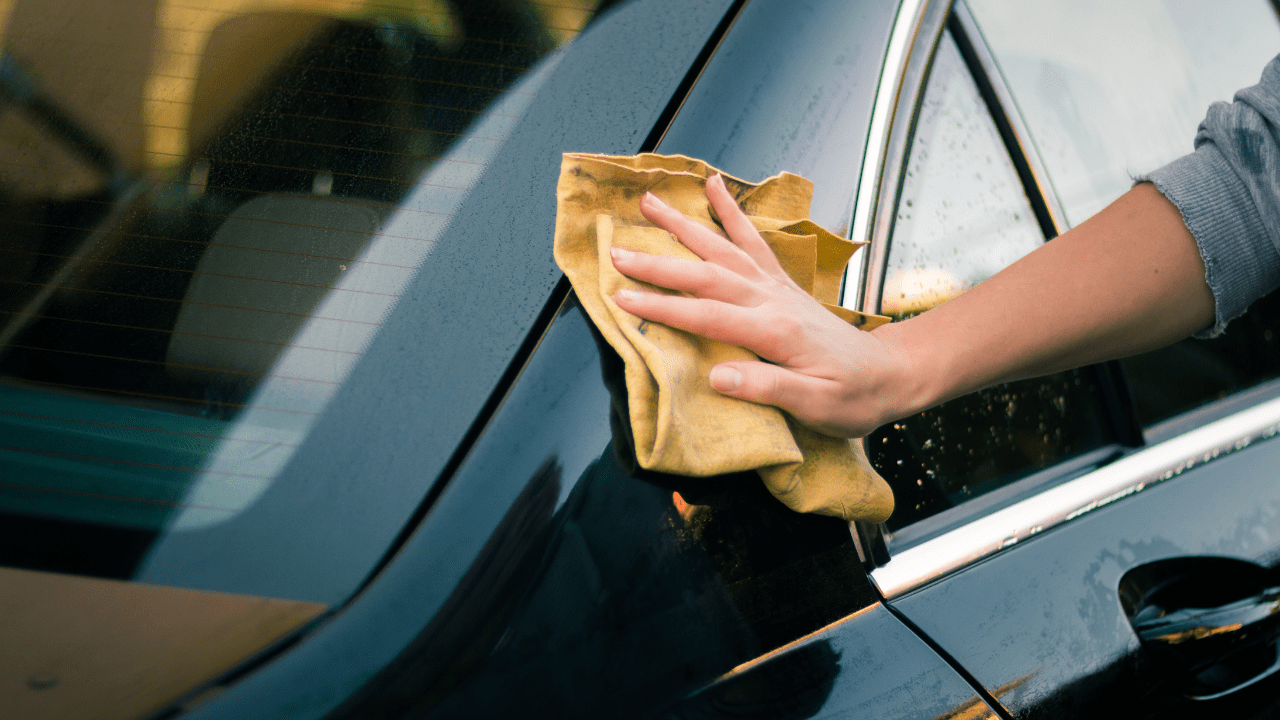
GETTING FRESH BIRD POOP OFF WITHOUT SCRATCHING THE PAINT
- Spray generously with warm water. Saturate the dropping before you do anything else. Don’t be stingy here.
- Lay a damp cloth over it and wait. Two to three minutes is usually enough for something that’s still fairly fresh. This lifts the mess rather than grinding it in.
- Wipe away in one direction. Lift the cloth and move it away from the car in one clean motion. Scrubbing back and forth drags any grit or seed particles in the dropping across the paint and causes scratches.
- Rinse and dry properly. Rinse the area with clean water and pat dry with a fresh microfibre cloth. Check the paint looks normal before walking away.
WHEN IT’S DRIED SOLID: THE SOAK-FIRST METHOD
This is the situation I find myself in more often than I’d like. You spot it, intend to deal with it later, and by the time you get back to it it’s practically fused to the bonnet.
The temptation is to pick at it, which is the worst thing you can do. Don’t. Instead:
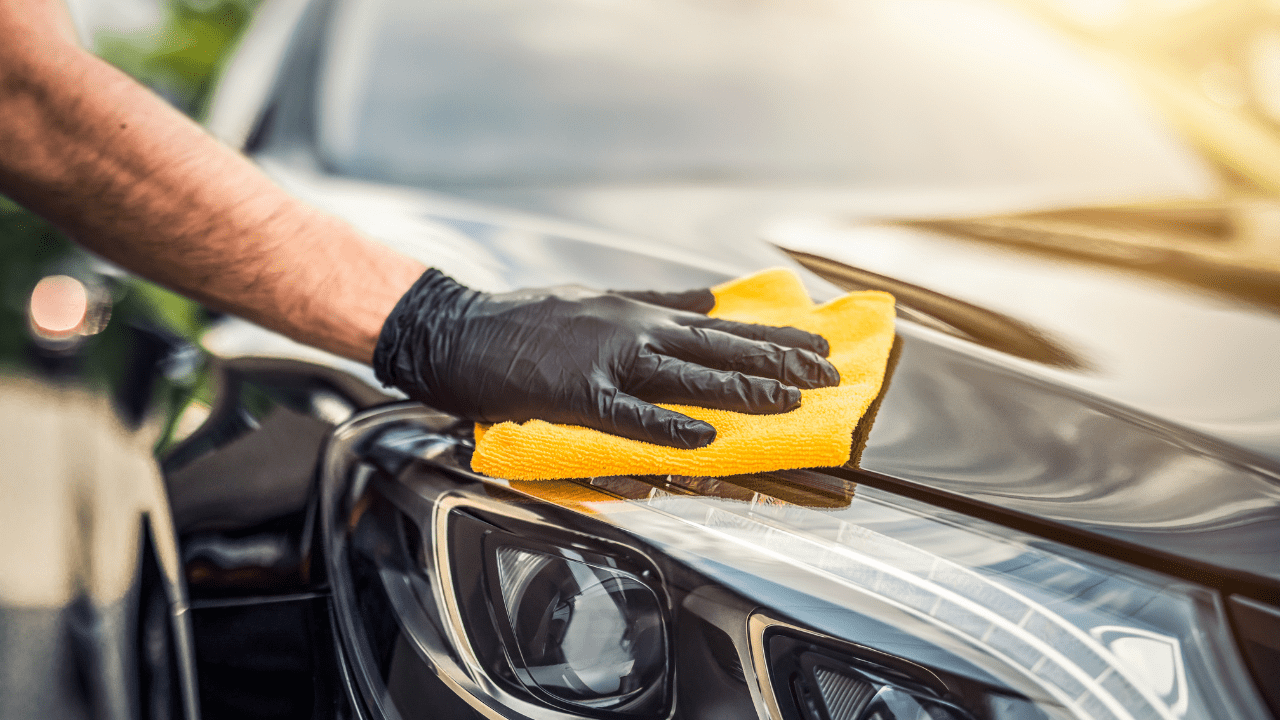
- Soak the area for at least five minutes. Spray warm water or a dedicated remover directly onto the deposit. Better still, soak a cloth in warm water and lay it flat over the whole area. This rehydrates it far better than just spraying.
- Add more time for anything baked on in hot weather. If it dried in direct sun, ten minutes is more realistic than five. Patience here genuinely saves your paintwork.
- Lift, don’t scrub. Once it’s softened, pick up the cloth and wipe in one slow, deliberate motion. Repeat with a clean cloth if there’s still residue.
- Deal with any halo mark left behind. A faint outline sometimes remains even after the main deposit is gone. A baking soda paste (three parts baking soda to one part water, left for five minutes, then rinsed) or a quick detailer spray usually sorts this.
- Wash the whole area with car shampoo and rinse thoroughly. Dry with a clean microfibre cloth.
SITUATION / BEST APPROACH / WHAT TO AVOID
- Fresh, caught within an hour / Warm water spray and microfibre cloth / Wiping dry without soaking first
- Dried, within 24 hours / 5-10 minute warm water soak, then gentle lift / Scraping or picking at it
- Baked on in hot weather / Dedicated spray soak, 10+ minutes minimum / Pressure washer at close range
- Faint residue after cleaning / Baking soda paste or detailer spray / Vinegar left sitting on the paint
- Etch marks present after cleaning / Light polishing compound or clay bar / More cleaning, it won’t help at this stage
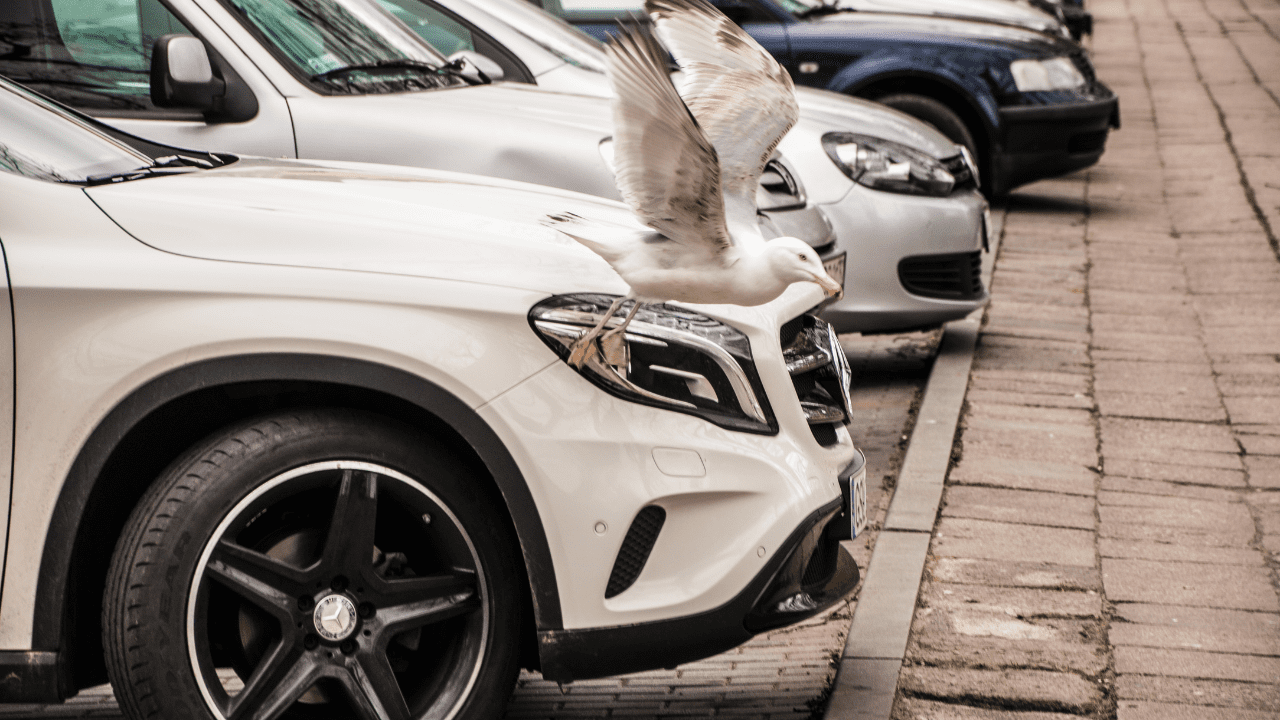
ARE DEDICATED BIRD DROPPING REMOVERS WORTH BUYING?
Yes, particularly if your car lives outside on a busy street or near trees. The best ones are formulated to break down uric acid without stripping wax or harming the clear coat, which household alternatives can’t always guarantee.
UK brands worth looking at include Autoglym, whose bird dropping remover is stocked at Halfords, Superdrug, and their own website. Meguiar’s and Turtle Wax both make reliable versions too. For anyone who prefers ordering online, the dedicated bird dropping remover I use is on Amazon and does the job well.
One thing worth knowing: WD-40 does loosen dried deposits, and you’ll see it recommended online. It works as a last resort, but it can leave a residue that damages protective coatings over time. Car-specific products are always the safer choice for paintwork.

THE HOUSEHOLD FIXES THAT WORK
These are useful to know for fresh or lightly dried deposits, particularly when you’re caught away from home without a proper cleaning kit.
- Baking soda paste. Mix with warm water to a thick consistency, apply to the stain, leave for a few minutes, then rinse off. It’s mildly abrasive in a way that helps lift residue without scratching. Safe as a one-off, but not for regular use.
- Club soda or sparkling water. The carbonation helps break down the acidity. Pour it directly onto the dropping, leave it to fizz for two or three minutes, then lift with a cloth. Genuinely useful if you’re in a car park or at a petrol station with a vending machine nearby.
- White vinegar. Works in a pinch but use it carefully. Vinegar is acidic itself, so leaving it on paintwork isn’t wise. Apply, rinse immediately and thoroughly. It’s a last resort rather than a recommendation.
None of these are a substitute for a proper car-safe product if you’re dealing with something dried on or baked in the sun.
IF THE PAINT’S ALREADY SHOWING ETCH MARKS
If there’s a dull, slightly sunken patch left after cleaning, the uric acid has done its work on the clear coat. More cleaning won’t fix it at this stage.
- Light polishing compound. For minor etching, a gentle hand polish can smooth the surface and restore shine. Don’t overdo it, as repeated polishing gradually thins the clear coat.
- Clay bar. Used with a proper lubricant, a clay bar lifts bonded contamination and smooths the surface before polishing.
- Machine polishing. For deeper marks, this is a job for a professional detailer rather than a home kit.
- Paintwork correction. If the etching has gone through the clear coat into the base colour, you’re looking at professional repair. Costs vary but can run into several hundred pounds for a section.
This is why maintaining paintwork matters more than it might seem, especially if you’re thinking about whether now’s the right time to sell your car. Etch marks and paint damage show up at inspection and directly affect trade-in or private sale value.
REDUCING HOW OFTEN YOU’RE DEALING WITH THIS
You can’t stop birds entirely, but you can make it significantly less frequent and much easier to clean when it does happen.
- Avoid parking under trees and lamp posts. Both are prime perching spots. I parked under a large oak near our house for months because it was convenient. It was a constant target. Moving the car thirty metres down the road made a noticeable difference.
- Use a car cover for any car that sits still for days at a time. A breathable outdoor cover from Halfords is a reasonable investment if you’ve got a second car or one that doesn’t move daily.
- Wax or apply a ceramic sealant. A proper wax or ceramic coat creates a hydrophobic barrier that stops droppings bonding firmly to the paint. Clean-up takes a fraction of the time. Worth doing after every proper wash.
- Owl decoys and reflective deterrents. These work better than you’d expect in some situations. Owl decoys and reflective tape both tap into birds’ instincts around predators and movement. Not the most elegant solution, but effective.
- Move the car regularly. Birds target stationary cars repeatedly once they’ve found a spot. Moving even every day or two disrupts the habit.
And on the colour question: research does suggest red cars attract more bird droppings than any other colour. Silver, grey, and white tend to be less targeted. Worth knowing if you’re choosing your next car.
FREQUENTLY ASKED QUESTIONS
How long does it take for bird poop to damage car paint?
In warm, sunny weather, etching can start within a few hours as the clear coat softens in the heat and the dropping dries hard into it. In cooler or overcast conditions you’ve got more time, but within 24 hours is a safe target for removal in any weather.
Can bird poop damage a car windscreen as well as the bodywork?
Droppings on glass don’t etch the way they do on painted surfaces, but they do dry hard and can smear badly if you use your wipers on them dry. Soak first with washer fluid or water, then use the wipers. A quality screen wash with biosurfactants breaks down bird mess quickly without leaving streaks.
Is baking soda safe to use on car paint?
Yes, in a diluted paste form as an occasional treatment. It’s mildly abrasive and can help lift residue. It’s not something to use regularly, as repeated use will gradually dull the clear coat. Always rinse thoroughly after.
Do automatic car washes remove dried bird poop effectively?
They’ll shift fresh deposits easily. Dried or baked-on droppings may not come off fully, especially in a basic touchless wash. For anything that’s been on the car for more than a few hours, a hand wash with a proper soak first is more reliable.
What’s the difference between a bird poop stain and etching?
A stain sits on top of the clear coat and comes off with the right cleaner. Etching is physical damage to the clear coat itself. It looks dull, slightly depressed, or has a faint wrinkled texture. It doesn’t wash off because it isn’t a surface deposit. Minor etching responds to polishing. Deep cases need professional paintwork correction.
Are ceramic coatings actually worth it for protection against bird droppings?
They’re genuinely useful. A ceramic coat or spray sealant creates a hydrophobic surface that stops droppings bonding firmly to the paint. It doesn’t repel birds, but it means that when something does land, it’s far less likely to etch and far easier to clean off. A good spray sealant applied after every wash is a simple habit that makes a real difference.
Can I use a pressure washer on bird poop?
You can use a pressure washer from a safe distance to rinse the area after soaking, but don’t aim it directly at a dried dropping at close range. The pressure alone won’t remove something dried solid safely, and you risk spreading grit across the paintwork. Soften it first, then rinse.
Bird poop on a car you’ve just cleaned is one of those specific, disproportionately annoying things in life. But it’s genuinely simple to deal with if you’ve got the right kit and don’t leave it until tomorrow. Keep a microfibre cloth and a small detailer spray in the boot, check the paintwork after parking anywhere tree-adjacent, and deal with it the same day. Your clear coat will thank you.
And remember, it’s not just your car. Birds are equal-opportunity poopers, so if you’re also battling patio stains, don’t miss my guide on how to clean bird poop off a concrete patio!
Take a look at some more of my cleaning posts here!

Becky is the voice behind Life in Velvet, an organised, intentional living blog focused on practical food, calm homes, thoughtful projects, and everyday systems that make real life feel easier. A mum of 3 living in the UK, Becky writes from lived experience, sharing what works, what doesn’t, and the decisions that make family life run more smoothly.
With a background in marketing and content writing, and over a decade of blogging experience, she brings a thoughtful, structured approach to everything from baking and home projects to routines and decision-making. Life in Velvet is where planning meets creativity, with ideas designed for real homes and real life.