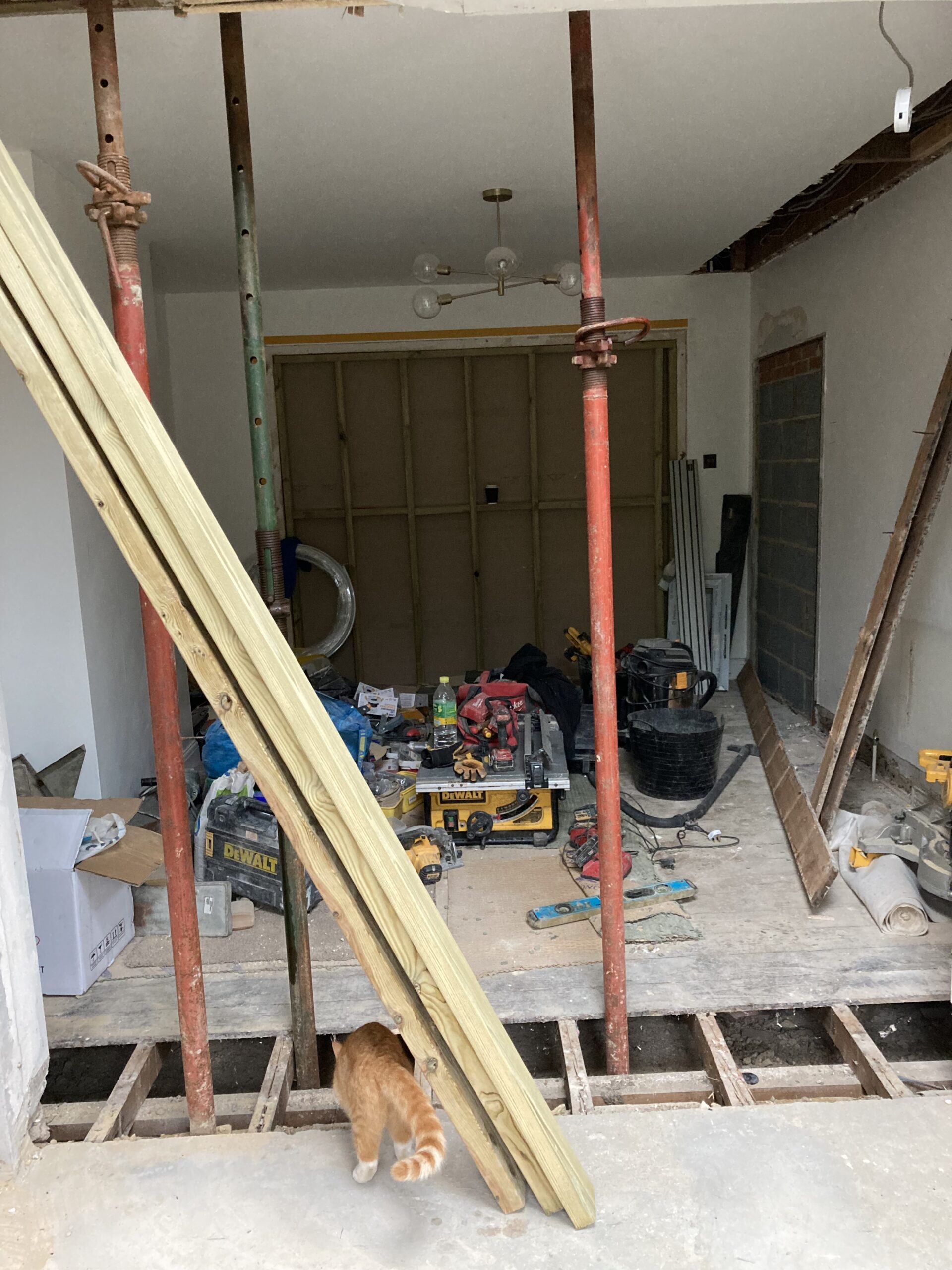
Thinking about knocking through to create an open-plan kitchen-diner or a brighter living space? You’re not alone. Taking out a support wall is one of the most popular ways to modernise older UK homes, and is something that we’ve now done in not one, but three homes of ours that we’ve renovated. But when it comes to removing a load bearing wall – well, that’s when things start to get a bit more serious. It’s not quite as simple as grabbing a sledgehammer and going full DIY SOS (leave that to Nick Knowles and co).
Whether you’re dreaming of more light, space, or flow in your home, my guide will walk you through everything you need to know about structural wall removal—from recognising if a wall is load-bearing, to getting the right professional help and planning for costs.
First things first: What is a load bearing wall?
In every home, some walls simply divide rooms (these are called partition walls), while others have a much more important job—holding up the weight of the structure above, such as another floor or the roof. These are your load bearing walls.
Taking out a load bearing wall without proper support is a big no-no. It can compromise the structural integrity of your home and cause major damage (or worse), which is why you’ll need professional help to do it safely and legally.
How to tell if a wall is load bearing
Here are a few signs that a wall might be load bearing:
-
It’s aligned directly above or below other walls.
-
It’s located near the centre of the house.
-
It runs perpendicular to ceiling joists.
-
It feels thicker than your average partition wall.
-
It’s made of brick or concrete block rather than timber or plasterboard.
Still not sure? The only way to be certain is to get a structural engineer in to take a look. Don’t rely on guesswork—it’s not worth the risk.
Planning and permissions
You might be wondering: Do I need planning permission to remove a load bearing wall?
Usually, you don’t need planning permission, unless your home is listed or in a conservation area. But you do need Building Regulations approval. This ensures the work meets UK safety standards and is properly documented for future sales or insurance.
You (or your builder) will need to submit structural calculations and drawings to your local Building Control team or use a private Approved Inspector. Once the job’s done, you’ll get a certificate of compliance—keep that somewhere safe!
Top tip: If you’re in England or Wales, you can check with your local council’s website via GOV.UK to start the process.
Getting professional help: who you’ll need
For most supporting wall removal projects, you’ll need to assemble a bit of a dream team:
-
Structural Engineer – They’ll assess the wall, confirm whether it’s load bearing, and design the correct support (usually a steel beam).
-
Builder – To carry out the actual removal and installation of supports.
-
Building Control Officer – To inspect the work and issue the necessary paperwork.
You might also need a Party Wall Agreement if the wall being removed is attached to a neighbour’s property, such as in a semi-detached or terrace home.
What does the process involve?
Here’s what you can expect when taking out a load bearing wall:
-
Initial assessment – A structural engineer visits your home and prepares drawings and calculations.
-
Building Control application – Submit documents and get approval (or use a private inspector).
-
Preparation – The builder protects flooring, moves any wiring or plumbing, and installs temporary supports.
-
Wall removal – The wall is taken down in stages.
-
Steel installation – A steel beam (RSJ) is fitted to take the load.
-
Making good – Once approved, any plastering, decorating, or other finishings are done.
Depending on complexity, it can take anywhere from 2 days to a week or more.
How much does it cost?
Costs vary depending on the size of the wall, access, location, and whether you’re using a builder or doing parts DIY (note: never DIY the structural stuff!).
As a rough guide:
| Task | Estimated Cost (UK, 2025) |
|---|---|
| Structural engineer report | £300–£600 |
| Building control approval | £200–£400 |
| RSJ (steel beam) supply & install | £1,000–£2,500 |
| Labour (builder) | £800–£2,000 |
| Making good (plaster, decor, etc) | £300–£1,000 |
Total estimate: £2,500–£6,500+
Looking to buy tools or RSJs? You could try checking Travis Perkins, Jewson, or your local builder’s merchant. Just remember: steel beams aren’t a casual purchase—they need to be calculated by a structural engineer.
Living through the mess
Removing a structural wall can get messy. Expect dust, noise, and disruption—especially if it’s a kitchen or living room wall. Here are some survival tips:
-
Set up a temporary kitchen or living space elsewhere.
-
Seal off the work area with dust sheets or temporary plastic sheeting.
-
Keep pets and kids well away!
-
Plan for a skip or regular rubbish removal—debris builds up fast.
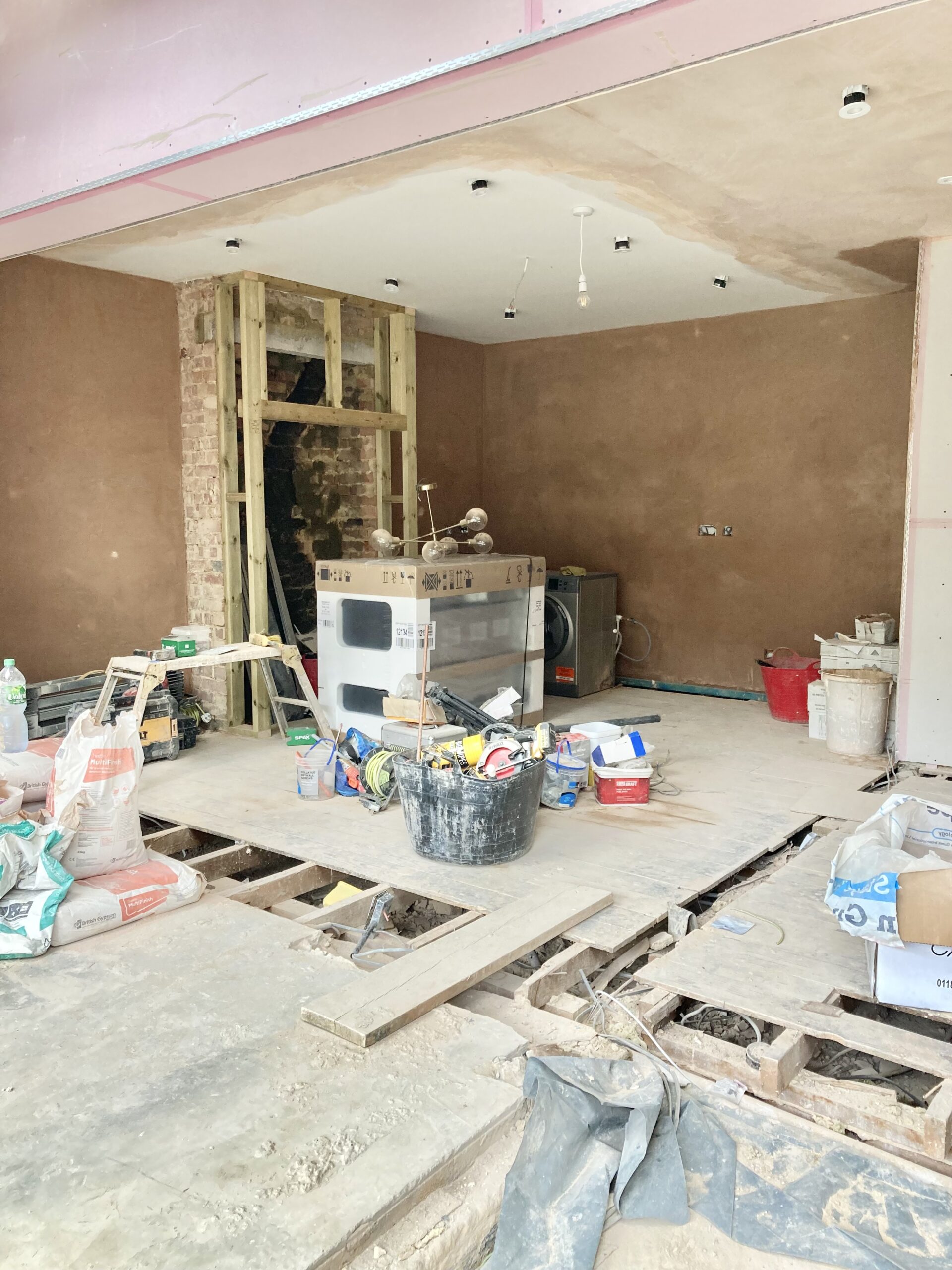
The big reveal: what it can do for your home
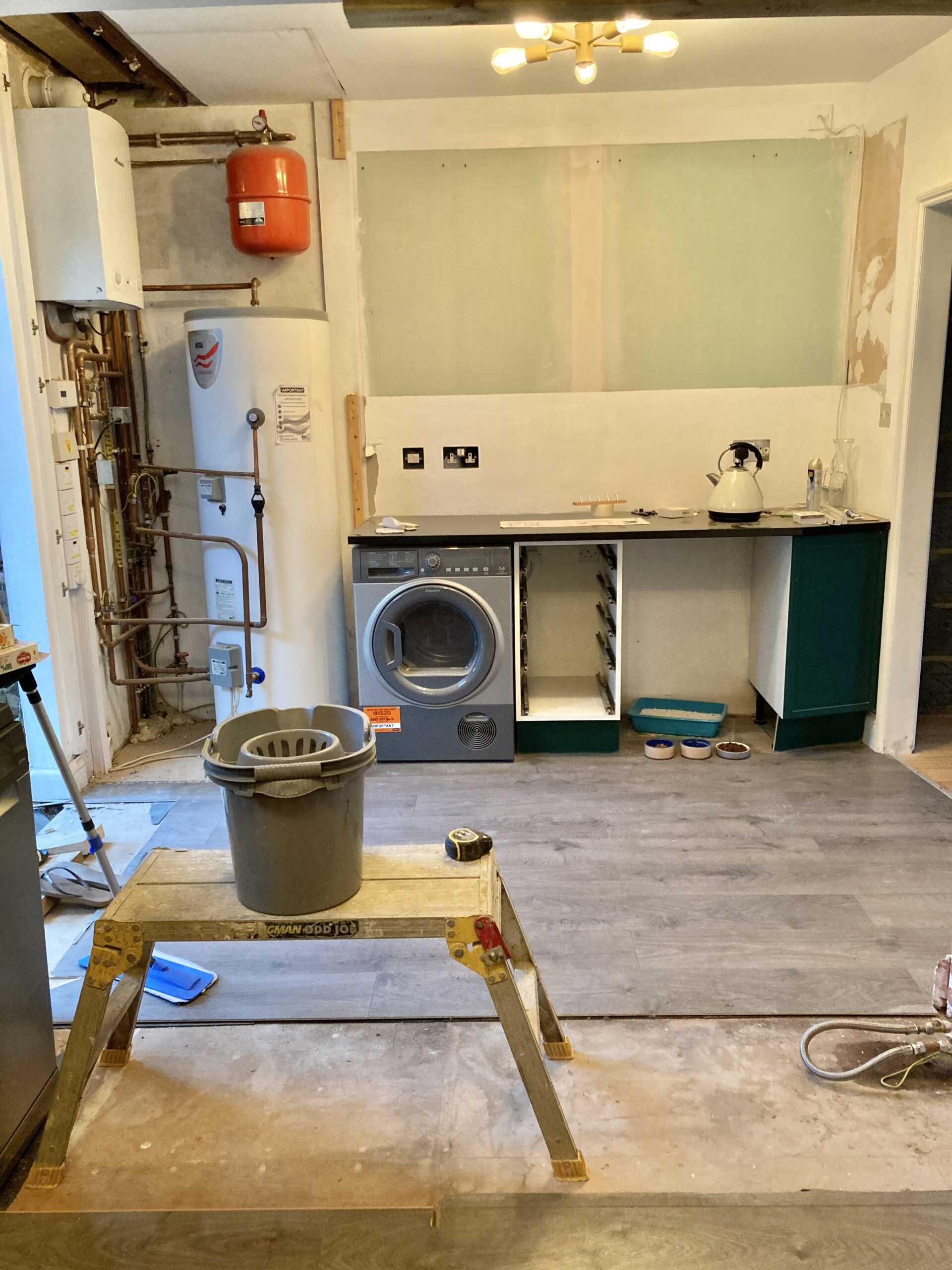
Once you’ve gone through the hassle of removing a load bearing wall, the payoff is usually huge. Open-plan layouts bring in more light, improve flow, and make your space feel bigger. Great for family life, entertaining, or just finally getting that island kitchen you’ve been eyeing on Pinterest.
If you’re planning to sell, it can also add value—especially in older UK homes where separate rooms once ruled the roost.
What could go wrong?
Here are a few common pitfalls to avoid:
-
Skipping structural advice – Don’t rely on a builder’s word alone. Always use a qualified engineer.
-
Not notifying Building Control – You will regret not having the right paperwork when you sell.
-
Cutting into hidden services – Walls often hide pipes, electrics, or heating. Get a full check before work begins.
-
Choosing the wrong builder – Go for someone with experience in supporting wall removal and great reviews.
FAQs: Removing a Load Bearing Wall
Q: Can I remove a load bearing wall myself?
A: Only if you’re a qualified structural engineer and builder rolled into one (and even then, it’s not recommended). Always hire professionals—it’s not worth risking your home’s safety.
Q: How long does it take to remove a load bearing wall?
A: Anywhere from 2 to 7 days depending on the size of the wall, what’s inside it (wiring, pipes), and how complex the replacement support needs to be.
Q: What is an RSJ?
A: It stands for Rolled Steel Joist, also known as a steel beam. It’s what takes over the job of the wall you’re removing. Your structural engineer will specify the right size and type.
Q: Will I need planning permission?
A: Not usually, unless your home is listed or in a conservation area. But you do need Building Regulations approval.
Q: Will it increase my home’s value?
A: Often yes! Open-plan layouts are hugely desirable in the UK, especially in older terraced or semi-detached homes.
Q: Do I need a Party Wall Agreement?
A: Possibly, if the wall you’re removing is shared with a neighbour (common in terraces and semis). Check with a Party Wall Surveyor.
Taking out a support wall is one of those home improvements that feels huge—and it is. It can completely transform the way you live in your space. But it’s also one of those jobs where cutting corners can cost you dearly.
If in doubt, consult a structural engineer, get your paperwork in order, and invest in a builder who knows what they’re doing. And remember—every stunning open-plan kitchen-diner you see on Instagram probably started with a bit of dust, noise, and a very solid RSJ.
See some more of my DIY posts here

Becky is the voice behind Life in Velvet, an organised, intentional living blog focused on practical food, calm homes, thoughtful projects, and everyday systems that make real life feel easier. A mum of 3 living in the UK, Becky writes from lived experience, sharing what works, what doesn’t, and the decisions that make family life run more smoothly.
With a background in marketing and content writing, and over a decade of blogging experience, she brings a thoughtful, structured approach to everything from baking and home projects to routines and decision-making. Life in Velvet is where planning meets creativity, with ideas designed for real homes and real life.