
Let’s be honest: nothing makes a bathroom feel more luxurious (without completely gutting the place) than a sleek, sparkling glass shower door. Whether you’re giving your bathroom a minor facelift or doing a full-scale reno worthy of Grand Designs, a custom glass shower door can completely transform the space. But with so many styles, glass types, and fittings to choose from, how do you know which one’s just right for your home?
Here’s your complete guide to choosing the perfect custom glass shower door – from style and size to glass type, fixings, and even cleaning tips (because no one wants streaks ruining the look).
1. Know Your Shower Space
First things first: before you even think about the design, you’ll need to know what type of shower enclosure you’re working with. The size, layout, and even where your bathroom door opens can all affect which kind of glass door will work best (the bathroom door was something I didn’t even consider at first when choosing ours, so don’t make the same mistake!)
A few typical set-ups:
-
Recessed showers – These are showers nestled between three walls. A single glass door usually fits perfectly here.
-
Corner enclosures – These often use two glass panels and suit sliding or hinged doors.
-
Walk-in showers – Popular in modern homes and great for accessibility. Usually require just one fixed glass screen.
-
Over-bath showers – Think of those handy folding or hinged panels that keep the water in while you have a quick splash.
Tip: Use a measuring tape to get the width and height of the space—twice! Or bring in a professional fitter to be safe. No one wants to be trying to wedge a door that’s 10mm too wide into place after delivery.
2. Choose Your Shower Door Style
When it comes to style, this is where it gets fun. Custom doesn’t just mean made-to-measure—it also means you can tailor the look to suit your space and vibe.
Popular styles include:
-
Hinged or Pivot Doors
These open like a traditional door and are ideal for larger bathrooms. Pivot doors swing both inwards and outwards, giving you flexibility—but they do need space to open fully. -
Sliding Doors
Great for smaller bathrooms or ensuites. The panels slide smoothly along a track so you don’t need to leave clearance space for a door to swing. To be fair, our bathroom is a decent size, but we actually went for a sliding door for our shower enclosure. -
Bi-fold Doors
These fold back on themselves, like a concertina, and are brilliant if you’ve got a tight nook to work with. -
Frameless or Semi-Frameless Glass
If you’re going for that airy, high-end hotel look (who isn’t?), frameless is the way to go. Minimal fixings, maximum impact. -
Fixed Shower Screens
Perfect for walk-in showers. They’re simple, stylish, and easy to clean.
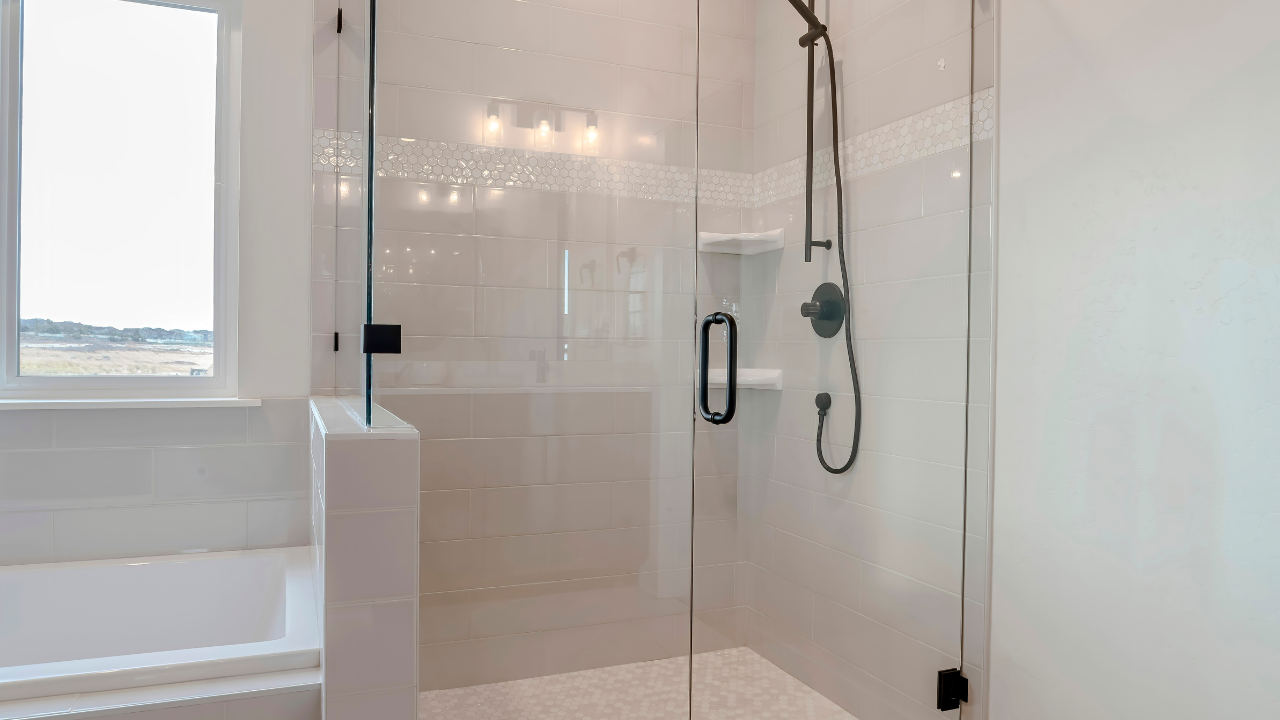
UK Shoppers’ Tip: Websites like Victorian Plumbing let you filter by door type, which makes browsing easier.
3. Pick Your Glass Thickness
Shower door glass generally comes in three common thicknesses: 6mm, 8mm and 10mm. Here’s what to consider:
-
6mm: Lightweight and budget-friendly, but not ideal for frameless doors.
-
8mm: The middle ground—good strength and a solid feel.
-
10mm: Thick, luxe, and heavy—best for frameless designs or large panels.
All glass should be toughened safety glass (sometimes called tempered glass), which means it’s heat-treated and won’t shatter dangerously if broken.
4. Go Clear, Frosted, or Something More Fun?
Clear glass is timeless, elegant, and makes a bathroom feel more spacious—but it’s not your only option.
Glass finishes to consider:
-
Frosted/Obscured Glass – Great for a bit of modesty without losing natural light.
-
Tinted Glass – Smoked, bronze, or grey-tinted glass can give a boutique hotel feel.
-
Patterned or Etched – Adds personality and hides watermarks better than clear glass.
-
Easy-Clean Coating – Some glass comes with a hydrophobic coating that repels limescale and soap scum (a godsend if you’re in a hard water area like much of the South East).
Cheeky Hack: If you don’t want to fork out for etched glass but fancy the look, frosted film from somewhere like B&Q can give you a similar effect—just remember it won’t be as durable.
5. Consider Your Bathroom Aesthetic
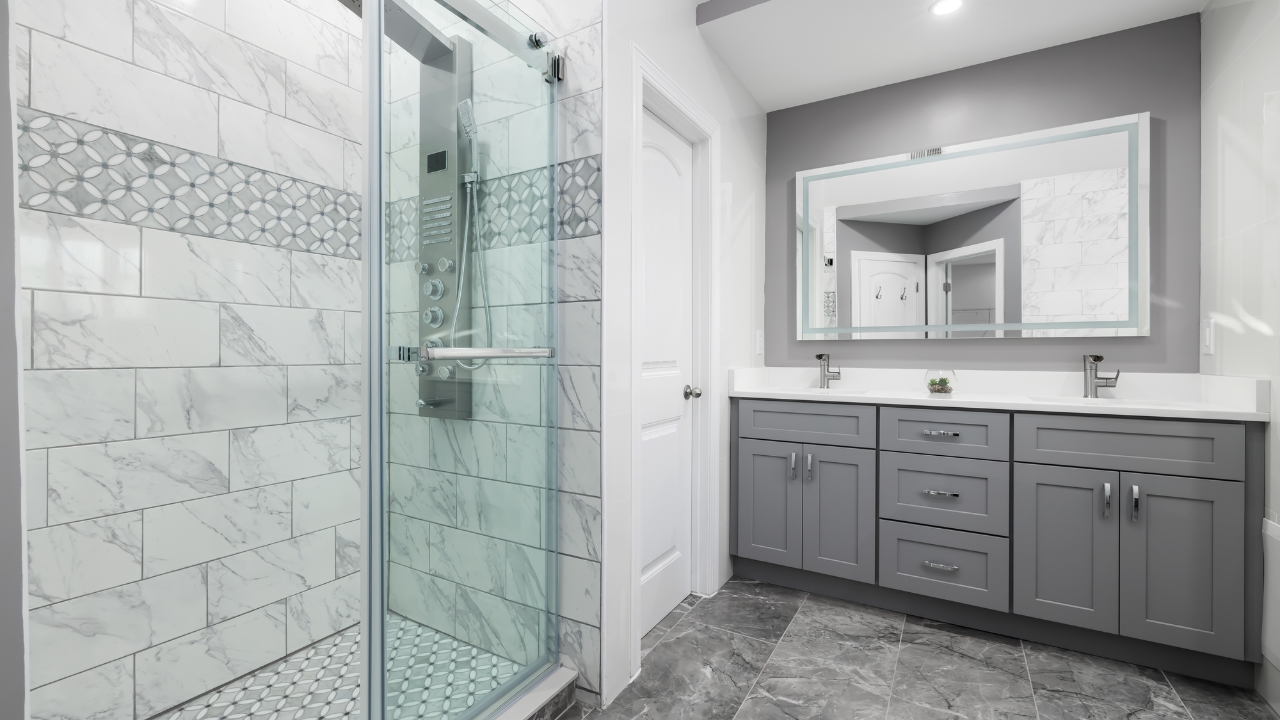
Now let’s talk style. If your bathroom is all clean lines, marble-effect tiles and matt black fittings, a chunky chrome frame might clash. On the flip side, a sleek frameless door might feel a bit too modern in a more traditional bathroom.
Match your:
-
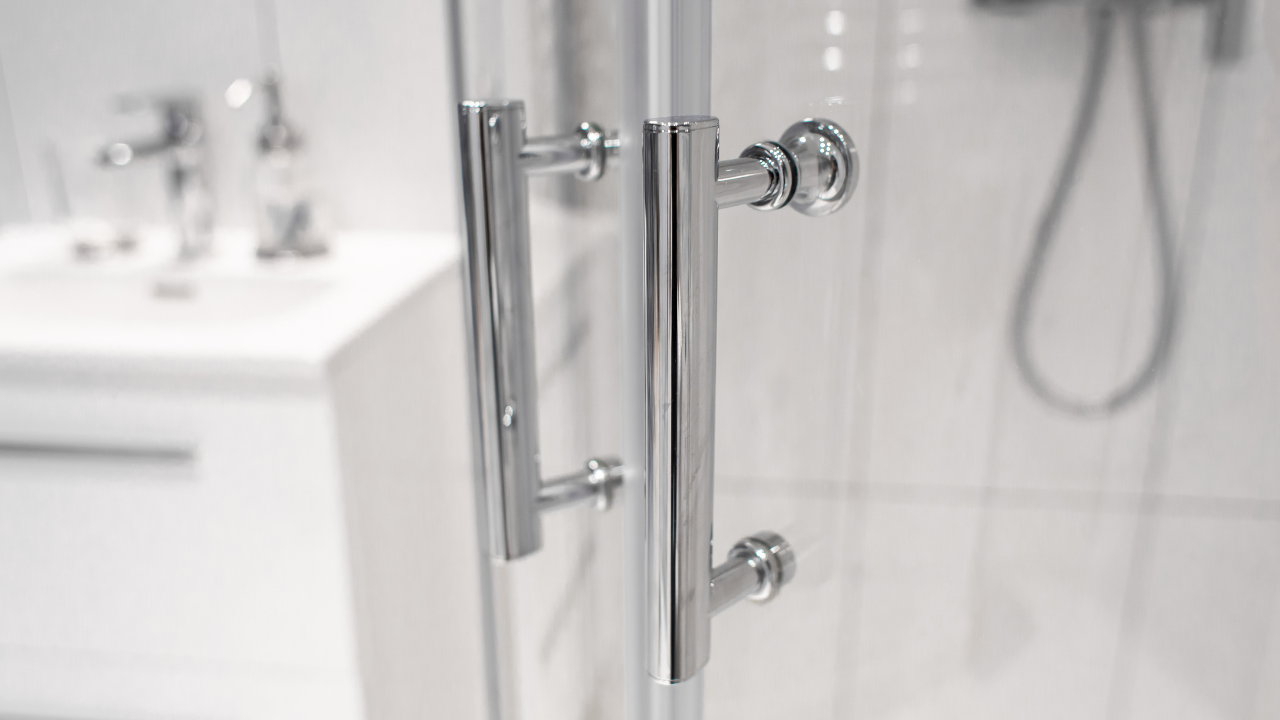
Hardware finish (chrome, matt black, brass, brushed nickel etc.)
-
Lines and edges (curved vs angular)
-
Door handles – big chunky handles look different from subtle recessed ones
And remember—whatever you pick, you’ll be looking at it every single day. (Especially if your morning starts with a foggy-eyed stumble to the shower.)
6. Installation: DIY or Pro?
If you’re handy with a drill and comfortable working with glass, there are plenty of DIY-friendly options on the market e.g. buying custom shower doors online. Just make sure your walls are level and secure (especially in older UK homes where “straight walls” are sometimes more of a suggestion than a reality).
If in doubt, hire a professional fitter. Some suppliers like or local showrooms can arrange installation too.
7. Cleaning and Maintenance
You’ve spent all that time and money choosing the perfect door, so let’s keep it sparkling.
Top tips:
-
Daily wipe down: A quick squeegee after your shower helps prevent build-up.
-
Weekly clean: White vinegar and water works wonders—or invest in a specialist glass cleaner.
-
Avoid abrasive sponges: They can scratch coatings and damage the surface.
-
Seal checks: Every few months, check silicone seals and hinges for wear and tear.
If you’re in a hard water area (hello, most of London), a water softener or descaler is worth considering. We suffer from hardwater marks terribly in SE London and the limescale is the bane of my life!
FAQs: Custom Glass Shower Doors
Q: How much does a custom glass shower door cost in the UK?
A: Prices vary based on size, style, and thickness. Expect to pay from £200 for a basic custom panel to over £800 for a large frameless model. Installation adds extra.
Q: Can I get a made-to-measure door for an awkward space?
A: Absolutely. Many UK suppliers offer bespoke cutting—ideal for loft bathrooms with sloped ceilings or oddly sized alcoves.
Q: How long does it take to get a custom shower door delivered?
A: When you buy custom shower doors online lead times can range from 7 days to 3 weeks depending on complexity. Bespoke etched or tinted glass may take longer.
Q: Are frameless doors safe?
A: Yes—as long as you choose toughened safety glass. Thicker glass (8mm or 10mm) provides strength without needing a full frame.
Q: Can I install it myself?
A: It’s possible, especially for hinged or sliding doors, but tricky for frameless panels. If in doubt, get a professional to ensure watertight fitting.
Q: What if my walls or floors aren’t level?
A: Adjustable wall profiles or custom-cut glass can solve this. Many UK bathrooms are in older properties, so suppliers are used to it!
Q: Where can I buy custom shower doors in the UK?
A: You can buy custom shower doors online – check out:
-
Or your local bathroom showroom
Choosing the perfect custom glass shower door is all about balancing function with flair. Think about your space, your lifestyle (kids? pets? busy mornings?), and the style you want to bring into your bathroom. Whether you’re dreaming of a spa-like retreat or just want to stop the draft from your current leaky panel, there’s a glass solution out there for you.
And if in doubt, just imagine how good that first post-installation shower will feel. Heavenly.
See more of my home-related posts here

Becky is the voice behind Life in Velvet, an organised, intentional living blog focused on practical food, calm homes, thoughtful projects, and everyday systems that make real life feel easier. A mum of 3 living in the UK, Becky writes from lived experience, sharing what works, what doesn’t, and the decisions that make family life run more smoothly.
With a background in marketing and content writing, and over a decade of blogging experience, she brings a thoughtful, structured approach to everything from baking and home projects to routines and decision-making. Life in Velvet is where planning meets creativity, with ideas designed for real homes and real life.