
Over the past couple years, the industry has gone heavily high-capacity within the vape realm. Head to any local vape shop and you’ll find everything boasting thousands more puffs than the disposable basics that once filled shelves. Yet the difference between standard disposables and high-capacity pods doesn’t just rest in the numbers on the box; these devices function differently, which means how they work and how long they’ll last is completely dependent on what’s inside.
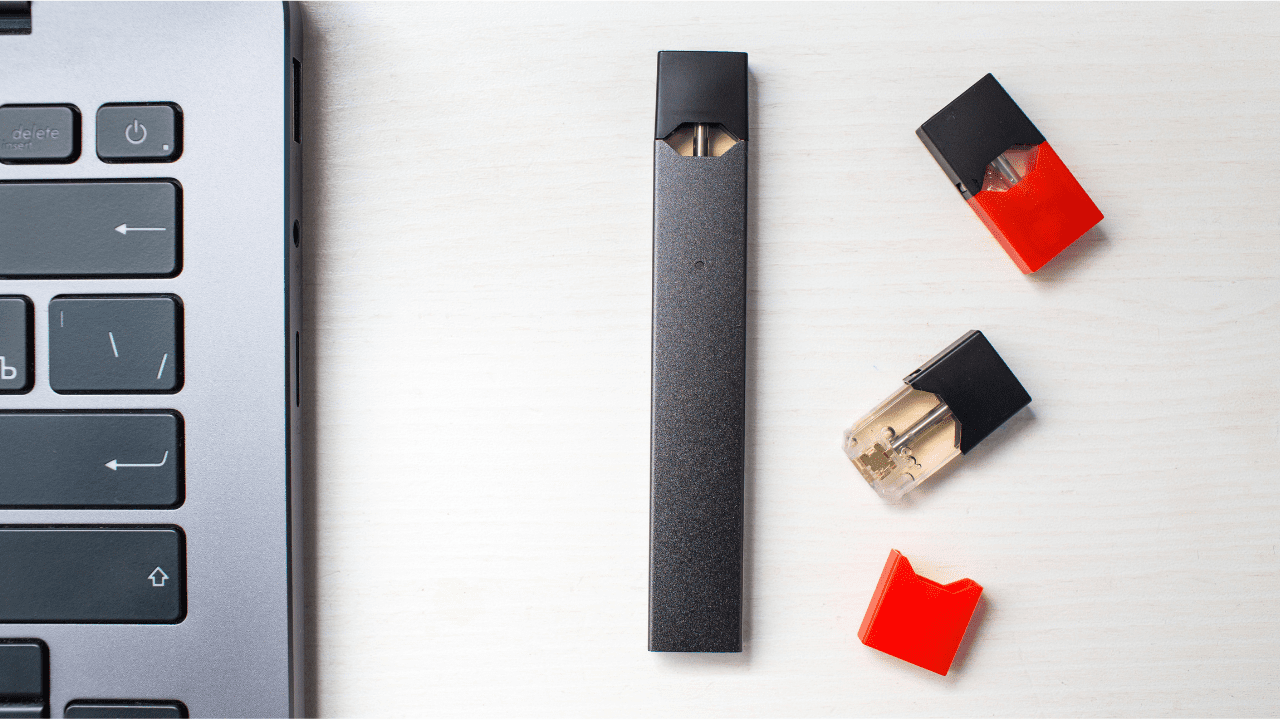
Standard disposables are simple and cheap; one uses it until it’s empty, throws it away, and buys a new one. High-capacity pods shift that dynamic from a use-it-and-forget-it setup to one that separates the battery from the pod itself. While this may not seem like a big deal, it’s a user experience like none other. More importantly, it means engineers aren’t just stuffing more e-liquid into familiar vessels to increase lifespans—crafting a pod that can last weeks or months instead of days is much more complicated.
The Coils that Make It Possible
Standard disposable vapes use regular coil designs because they only have to last as long as the user needs them to, which is a few days. Once the coil burns out, you’re done with the device anyway. But with high-capacity pods, the coil inside needs to hold steady for much longer.
This is where mesh coil technology comes into play. Mesh isn’t created with a single wire wrapped into a coil but instead, it’s made with a flat sheet of metal with tons of small holes punched into it. This gives it a larger heating surface which means heating area that is much more evenly distributed across the coil. The evenness of heat prevents hot spots, burnt taste, and burnt coils.
Mesh also wicks e-liquid better than standard coils; there aren’t dry spots like there are when cotton wicks aren’t consistently saturated, but rather, mesh pulls the liquid in from all angles across its expansive heating surface. While this isn’t a huge deal for standard disposable vapes it is for high-capacity ones as their coils need to fire thousands of times before they start degrading.
E-Liquid Capacity and Delivery Systems
Where this engineering gets interesting is e-liquids; high-capacity pods require significantly more e-liquid than their basic counterparts—like ten times more or more significant amounts. But just making a larger tank presents challenges in terms of distribution and pressure.
High-capacity pods utilize gravity-feed with designed wick holes; as you vape and the level of e-liquid decreases, it needs to get to the coil consistently otherwise either it’s flooded with e-liquids at high levels or possesses dry hits at lower levels. Quality Hayati Pro Ultra Plus 25000 Replacement Pods utilize multiple wicking holes with pressure equalization to alleviate these concerns so liquid flows consistently over the entire life cycle of the pod.
The thickness also matters; high-capacity vape designs use much thicker liquids which produce more clouds but move slower. At the same time, it needs to be thin enough to saturate coils fast enough within draws so they don’t burn between hits.
Battery and Power Management Differences
Standard disposables are outfitted with batteries equaling the standard amount of e-liquid; generally they turn off around the same time. But high-capacity pod systems separate this ideology by providing a recharged battery that will outlast many pods. This means that a pod can be purchased without perennially being rendered useless.
However, this battery now has to provide constant power through its charging cycle which means vapor production and flavor development hinge upon power output.
Power output dictates how fast vaporizers fire and how many clouds are produced; low-quality disposable vapes start weak with cheap batteries and as voltage declines, users reap weak hits and poor flavor toward the end of a charge. Better systems employ regulated power output regardless of battery level; this failsafe ensures everyone has an equal opportunity for satisfaction.
Charging circuitry matters as well; should these batteries be consistently charged over their lifespan, fast charging provides convenience but must be executed safely to avoid fire hazards or damaged batteries. It’s best if modernized charging ports become standardized as they allow more powerful delivery safely than previous plug-ins.
Airflow Engineering for Consistent Performance
Airflow may not seem like a big deal but for high-capacity pods, it makes all the difference; how much air gets mixed in with vapor affects throat hit preference and flavor strength as well as cloud size.
Standard disposables have fixed air flow which works for their short lifespans. But high-capacity pods need airflow that’s reliable through various levels of depletion. The air pressure inside the pod changes as e-liquid decreases—the wrong airflow design results in gurgling when full or weak draws almost empty.
The air intake needs to be located appropriately to ensure balance throughout use. Adjustability features for airflow make sense but this isn’t always consistent across the board; more often than not, fixed airflow is optimized with high-capacity designs so it works well at whatever level one finds themselves at in between refills.
Additionally, draw activation sensors work better within high-capacity devices since they’re firing almost constantly over weeks at a time; cheap sensors can lessen their sensitivity or responsiveness over time—wasting battery life and e-liquid since misfires frequently occur.
Why Cost Per Puff Actually Matters
High-capacity pods are more expensive than standard disposables and thus some steer clear of this investment, believing a basic disposable will suffice. However, price means nothing if something cheap needs to be replaced every few days by someone who vapes regularly; it might cost more up front for a pod system but after dozens of disposables, one will save money in the long run and be ahead after the first replacement purchase accounting for buying a battery.
Furthermore, environmental impact matters; one high-capacity pod creates substantially less waste than ten (or significantly more) disposable devices one would throw away in such time. One plastic pod versus a handful of completed devices plus batteries plus electronics equals global change.
What to Really Expect from High-Capacity Pods
The max puffs one sees on the box are estimates; they’re theoretical maximums based on controlled puffs that are shorter than people would typically take. Long draws mean people might get less than others but personal preferences mean that people shouldn’t expect to hit that number exactly.
However, they should get close enough when using normal standards while enjoying high-capacity pods essentially justifying their existence.
What should matter more than hitting a certain number of puffs is flavor consistency. Quality devices keep their flavor good until nearly the end when normal ones start going bad halfway through which defeats the purpose of having such great capacity in the first place.
Devices boasting such technological creations of better coils, smarter liquid delivery and reliable batteries give people insight that these differences aren’t for marketing hype but truly helpful in ensuring that devices last over extended periods.
For those who go through devices regularly, understanding these differences will contribute to better purchasing options and satisfaction among their pricey vaporizers.
See more lifestyle posts here

Becky is the voice behind Life in Velvet, an organised, intentional living blog focused on practical food, calm homes, thoughtful projects, and everyday systems that make real life feel easier. A mum of 3 living in the UK, Becky writes from lived experience, sharing what works, what doesn’t, and the decisions that make family life run more smoothly.
With a background in marketing and content writing, and over a decade of blogging experience, she brings a thoughtful, structured approach to everything from baking and home projects to routines and decision-making. Life in Velvet is where planning meets creativity, with ideas designed for real homes and real life.