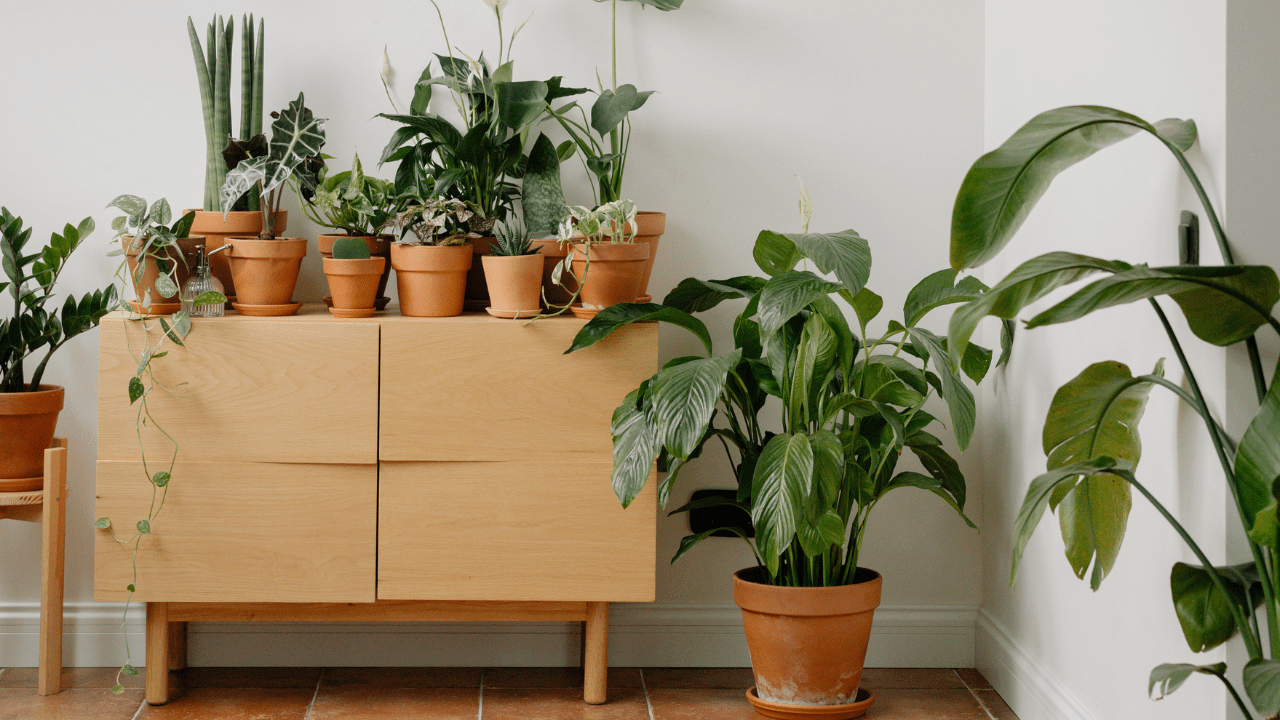
If you’ve ever stared lovingly at your monstera, fiddle leaf fig, or peace lily and thought, “Come on… grow already!”, you’re not alone. As someone who has struggled in the past to get their indoor plants to thrive, I’ve uttered this many a time. Indoor plants bring so much life, colour, and calm to our homes, but sometimes it feels like they’re taking their time to flourish. The good news? There are plenty of easy ways to give them a boost without turning your living room into a full-on greenhouse!
Whether you’re a seasoned plant parent like me, or someone who’s just keeping a succulent alive for the first time, these 8 tips and tricks will show you exactly how to make indoor plants grow faster, all while keeping them healthy, happy, and thriving.
1. Give Them the Right Amount of Light (and the Right Kind of Light)
Light is the fuel that powers your plant’s growth, and without enough of it, your leafy friend is basically running on empty. Different plants have different light needs. Succulents and cacti love a sunny windowsill, while ferns and calatheas prefer dappled, indirect light.
If your home is on the darker side (hello, north-facing windows), consider investing in a full-spectrum grow light. These mimic natural sunlight and can work wonders, especially in the darker winter months when daylight hours are short.
2. Don’t Overwater
One of the most common plant problems? Overwatering. It’s the quickest way to drown your plant’s roots and invite root rot. On the flip side, letting them dry out too much can cause wilting and slow growth.
Here’s the trick: stick your finger into the top 2–3cm of soil. If it’s dry, it’s probably time to water. If it’s still damp, hold off. Different plants have different watering needs, but this method works for most.
And remember, plants drink less in winter because growth slows down, so adjust accordingly.
3. Feed Them Well – Fertilising Makes a Big Difference
Just like we need food for energy, plants need nutrients to grow. During spring and summer (aka their growing season), a balanced liquid fertiliser every 2–4 weeks can make a huge difference.
But here’s where many people go wrong: fertilizing indoor plants in winter needs a lighter touch. Growth naturally slows down in colder months, so either reduce your feeding schedule or switch to a gentle, diluted fertiliser to avoid overwhelming the roots.
If you’ve ever Googled “why is my indoor plant not growing?”, the answer could simply be that it’s hungry.
4. Repot When They Outgrow Their Home
Imagine trying to live in a house where the walls are pressing in on you? That’s what it’s like for a rootbound plant. If you notice roots poking out of the drainage holes or the plant drying out way too quickly after watering, it might be time to repot.
Choose a pot that’s 2–5cm bigger in diameter than the current one, and refresh the soil with a nutrient-rich potting mix. This gives your plant more room to grow and fresh food to thrive on. Spring is the best time to repot so your plant can take full advantage of the growing season.
5. Keep the Temperature Comfortable
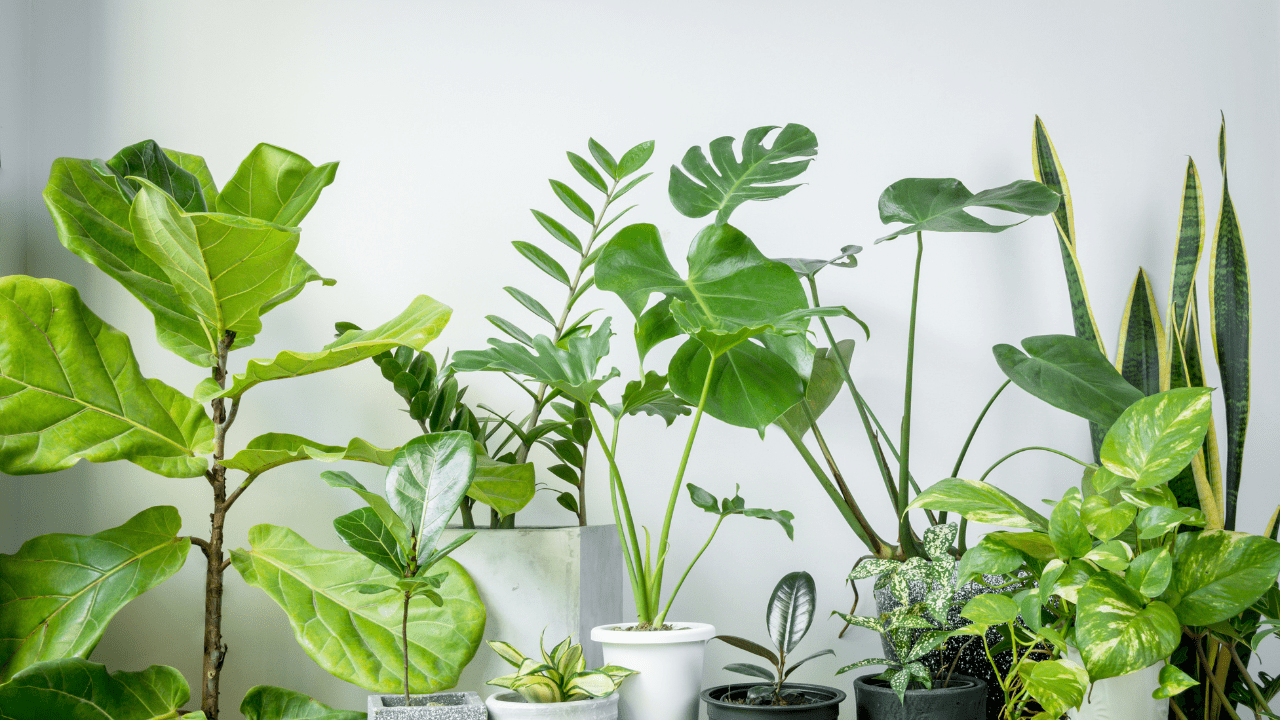
Plants are a bit like Goldilocks – they don’t like it too hot or too cold! Most indoor plants thrive in temperatures between 18–24°C. Avoid placing them near draughty windows, radiators, or heating vents, as sudden temperature changes can shock them and slow growth.
If you’ve ever wondered “why are my indoor plants dying in winter?”, the culprit could be a chilly window or heat blast from a radiator.
6. Increase Humidity (Especially in Winter)
Central heating in winter can dry the air out, which isn’t great for tropical plants like monsteras, ferns, and peace lilies. Low humidity can lead to crispy leaf edges and slow growth.
Easy ways to improve humidity:
-
Group plants together to create a mini jungle.
-
Place a tray of water near your plants.
-
Use a small humidifier in the room.
This little boost can be especially helpful if you’re working on how to make indoor plants grow faster in the colder months.
7. Prune and Pinch for Bushier Growth
Pruning isn’t just for the garden, it works wonders indoors too. Cutting back leggy or dead stems encourages new, healthy growth and keeps your plant looking lush.
For trailing plants like pothos or philodendron, pinching off the tips can help them branch out and grow fuller. Just make sure your scissors or pruners are clean to avoid spreading any plant diseases.
8. Keep Pests Under Control
Nothing slows down plant growth like an infestation of spider mites, mealybugs, or aphids. Give your plants a quick once-over every week or so, checking the undersides of leaves for tiny critters.
If you spot any pests, act fast with a gentle insecticidal soap or neem oil spray. Catching them early is the key to keeping your plant healthy and growing.
There’s no single magic trick to make your indoor plants shoot up overnight: it’s a mix of good light, proper watering, regular feeding, and the right environment. With these 8 tips and tricks, you’ll not only see faster growth but also healthier, more vibrant plants that you can be proud of.
And remember, plants grow at their own pace. Sometimes the best thing you can give them is a little patience (and maybe a pep talk or two).
FAQs – How to Make Indoor Plants Grow Faster
1. How long does it take for indoor plants to grow?
It depends on the type of plant. Fast growers like pothos, spider plants, and peace lilies can show new growth within weeks in the right conditions. Slower growers like fiddle leaf figs or snake plants might take months to show noticeable changes.
2. What’s the best fertiliser for indoor plants?
A balanced liquid fertiliser (with equal parts nitrogen, phosphorus, and potassium) works well for most houseplants. Always check the label for your specific plant’s needs, and remember to adjust your feeding schedule in winter.
3. Can you use coffee grounds on indoor plants?
Yes, but in moderation. Coffee grounds can add nitrogen to the soil, but too much can make it acidic. It’s best to mix used grounds into compost before adding them to your plants.
4. How often should I water indoor plants in winter?
Most plants need less water in winter because their growth slows down. Check the soil before watering. If the top layer is dry, then it’s time to water. Overwatering in winter can lead to root rot.
5. Do indoor plants need to be repotted every year?
Not necessarily. Many plants only need repotting every 1–2 years, or when they become rootbound. Refreshing the top layer of soil annually can give them a nutrient boost without full repotting.
6. Can grow lights really replace sunlight?
Yes! Full-spectrum grow lights mimic natural sunlight and are especially useful for homes with limited natural light or for keeping plants healthy during winter.
7. Is misting plants good for growth?
Misting can help boost humidity temporarily, but it’s not a substitute for proper humidity control. For best results, combine misting with a humidity tray or humidifier.
8. What’s the easiest indoor plant to grow quickly?
Pothos, spider plants, and philodendrons are some of the fastest-growing indoor plants and are perfect for beginners.

See more indoor plant posts here!

Becky is the voice behind Life in Velvet, an organised, intentional living blog focused on practical food, calm homes, thoughtful projects, and everyday systems that make real life feel easier. A mum of 3 living in the UK, Becky writes from lived experience, sharing what works, what doesn’t, and the decisions that make family life run more smoothly.
With a background in marketing and content writing, and over a decade of blogging experience, she brings a thoughtful, structured approach to everything from baking and home projects to routines and decision-making. Life in Velvet is where planning meets creativity, with ideas designed for real homes and real life.