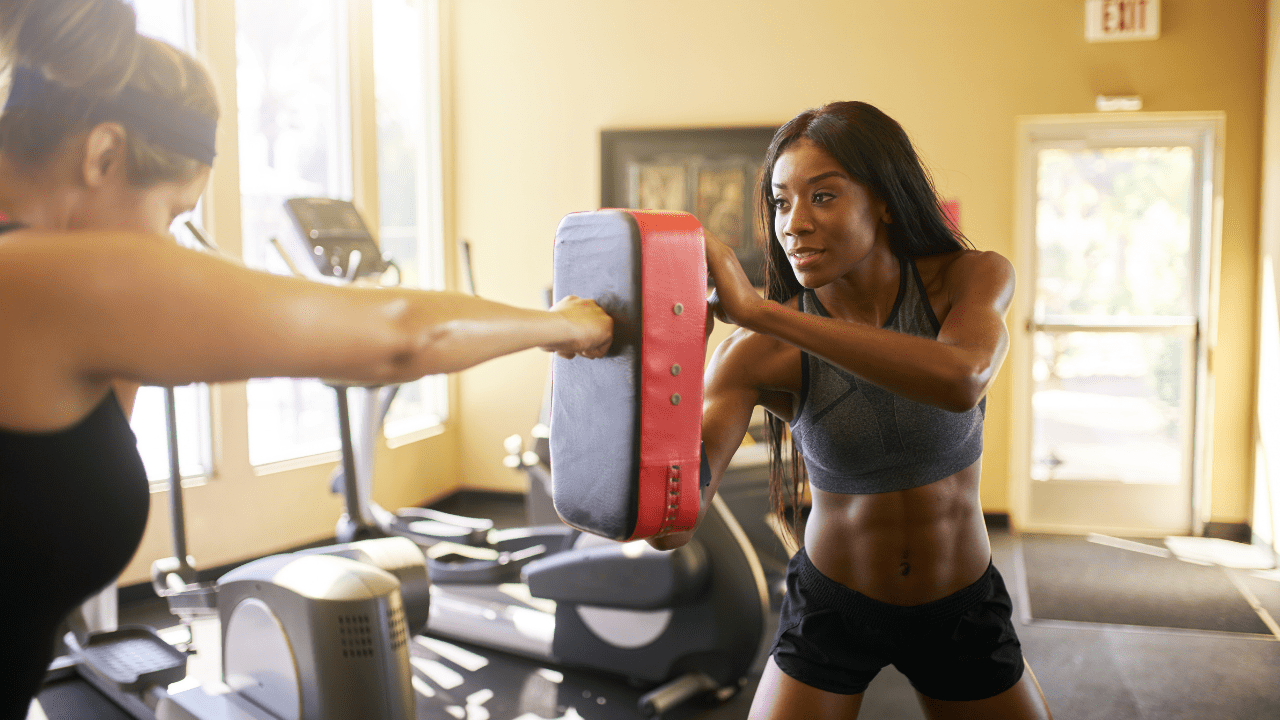
Despite punchers pummeling away in various organized workouts, people might not feel intimidated. A big space filled with lots of options for people to get lost in while simultaneously not lost in their own business, while they have to share locker rooms and shower rooms with experienced fighters and those just using the boxing gym to get in shape for their own needs is not everyone’s cup of tea. Many people want to learn boxing skills and get in shape with a boxing workout but without the special gym dynamics that sometimes hinder people’s learning and working process as it also requires getting used to.
That’s good, however, because it’s now entirely feasible to work boxing skills and get proper workouts without ever setting foot in a traditional gym. Thanks to online coaching resources, reputable boxing supplies, and a greater understanding of how skills transfer to real-life and professional boxing work, many people train themselves with solid results and never step foot in a traditional boxing gym.
Why Some People Don’t Want to Go the Traditional Gym Route
Beyond some people being intimidated by the greats with which they share space, there is a real world requirement that deters people from using the boxing gym. The boxing gym, like any traditional gym, comes with limited hours. Shift workers and parents may not have the time to go to the boxing gym and work to their full potential. The boxing gym is expensive on a monthly basis; plus, if people need to buy their own equipment, the prices add up. Many people aren’t exactly near reputable boxing gyms either, so just because they may want to train boxing doesn’t mean they’re necessarily fortunate enough to travel and have one down the road.
Plus, some people just prefer boxing workouts alone. They feel they can truly work at their best pace without using the boxing gym for competitive mindset or other directed training that has people working on something other than their punching bag techniques. This is completely understandable as intense training and boxing training give people the same crazy good workouts whether in a crowded boxing gym or a garage.
The problem, however, comes from getting started on one’s own—coaches aren’t readily available to help steer people away from bad habits so that their punching power and footwork possess great quality. Instead, as people train by themselves, they form bad habits since no one’s there to tell them they’re doing something wrong. Subsequently, improper form can lead to injuries.
Where To Start—What Equipment Is Necessary?
To avoid connecting oneself with the boxing gym, people often think that it’s going to be too expensive and/or require too much space. However, limited equipment is all anyone ever needs to get started.
They need gloves, hand wraps, and something to hit. Companies like FightGear UK offer quality at-home gear for beginners, to ensure they don’t hurt themselves and that they enjoy their sessions.
Everyone gets started with hand wraps. They protect those small bones and thumbs in the hands while also providing the adequate support for one’s wrist. There are easy video tutorials on how to learn how to wrap; it just takes practice. 180 inch wraps are typically preferred as they’re not too bulky but not too small to avoid any proper hand protection.
Gloves are next to get. For bag work, one ideally needs 12-16 oz gloves. Most adults have no problem with heavier gloves as they provide more wrist support and support for one’s hands.
The heavy bag is what creates the best boxing environment at home. Most adults would do well with a 70-100 pound bag. Speed bags are another option; however, they’re much lighter. Free standing bags are options, too, but sometimes they get pushed around if they’re not adequately supported and installed in a secure way.

Resources to Develop Skills
It’s easy for online resources to make or break the process. Now that people have access to quality instructional videos and live experiences online, thanks to Zoom and online meetings, it’s almost too easy to work skills from home without ever stepping foot into the boxing gym.
YouTube channels abound run by reputable coaches with decent structured online courses. Apps exist for workouts with free subscriptions and reputable ones for additional cost.
Thus, a key is learning how to trust those who know what they’re talking about. Anyone can appear cool with edits and clever move suggestions based on YouTube views. But it’s important to learn basics—stances, footwork, how to throw basic punches correctly. Without those, fancy techniques don’t mean anything.
Film yourself. Yes, it sounds awkward at first, but unless you know how you appear, you’ll only be successful when you truly aren’t. Review your skills against instructional videos—are your feet in the right position? Are your punches coming from a good enough place? Is your guard dropping during your punches?
How To Structure Sessions at Home to Make Them Work
One of the biggest hurdles people have while training boxing at home comes from lack of discipline that’s naturally found at the boxing gym. Unless there’s someone in the boxing gym helping you count rounds or you’re working with someone who’s pacing you, it’s easy to skate by when training boxing at home.
The first step is always a warm-up—shocking as it seems that people seem to skip this step every day at the boxing gym, at least you can control it at home. Jump rope is effective since it combines footwork and necessary cardio essential for boxing-specific endurance. At least ten minutes of jump rope should be accomplished before dynamic stretching occurs. Follow this with shadowboxing to prepare for heavy work.
Even punching a heavy bag should be reserved for a timed approach—not just random hitting until one gets tired. Standard boxing rounds last three minutes with one minute of rest—this means a timer needs to be implemented for effective training at home. In addition, purposeful work should guide rounds—spend one round focusing primarily on jabs. Use a minor pivoting motion within one round as that’s all the footwork necessary for punch technique to improve better than wasting every round throwing any combination possible.
Conditioning works just as much as technique punch practice does. Boxing requires massive cardio; sometimes, running on a treadmill doesn’t provide realistic enough benefits for the boxing-related workout intensity. Burpees, mountain climbers, and HIIT workouts encourage specific conditioning boxing requires.
What Are Common Mistakes People Make?
The easiest mistake to make is punching too hard and fast too soon. Beginners feel that power comes from sheer force; that’s not true. It comes from technique and pulling back one’s might in order to effectively perform boxing moves that will become second nature over time. If someone dedicates their time away from the boxing gym in the first place, it’s clear they have potential to grow and not reinforce bad habits if they’re over excited or self-conscious about learning outside the boxing gym.
Another mistake is neglecting defense entirely. Boxing isn’t just about hitting someone—it’s about not getting hit. Thus, punching and focusing purely on offensive techniques misses the mark on practice that’s available when training alone. Learning how to slip, roll and move defensively is just as important—shadowboxing like there is someone punching back helps, too.
Lastly, if hands/wrists feel bad—soreness is one thing but pain is another—they’re doing something wrong. Whether the glove quality is bad or wrapped too tightly/too loosely, headaches indicate improper technique or lack of adequate protection for beginner hands/wrists until the strength comes up. When frustration mounts into injuries that sideline someone for two weeks, it’s time to assess prevention first.
When Is It Important To Know When Outside Coaching Can Help?
Sometimes training at home works wonders for general fitness and basic boxing skills; other times it doesn’t. There’s no way to assess timing or distance assessment other than sparring with an actual partner; this isn’t achievable when working on one’s own skills at home.
Competitive boxing requires sparring and training with others so hybrid boxing workouts make them way more effective, as desired with any reputable boxing gym. Private lessons for additional technique help once trained at home may go above and beyond; reputable coaches will often help people with their form via online submissions to review videos sent in for feedback—a coach can see things a video can’t break down.
Many trainers are boxing trainers themselves who train others at home but recommend sparring once every few months—or even recommended sparring and specific coaching recommendations—this works in the advantage of those who maintain privacy and convenience while getting what they need through the traditional boxing gym experience sparingly now that they’re comfortable doing whatever it takes on their own for their progress.
How To Monitor Progress Without Traditional Resource Structure
Finally, progress must be noted outside of typical coaching frameworks; use good old fashioned pen and paper or even a notepad on your phone in order to keep track of what trained each session, how each round felt, what’s helpful, what’s not. Note down time requirements. Film yourself once a month to see how your technique improves over time.
It’s important to note specifics that require measuring and judging progress—getting better at boxing isn’t good enough. Aim for 100 jabs thrown without compromising on form by the second half of your first session. Another goal might be maintaining proper stance for five rounds three minutes each without spacing out even once within the rest period because the hard work pays off; when there are no real goals, home training becomes difficult and lacks direction.
That’s not to say homes that have that kind of luxury will ever yield professionals. However, the professionals can specialize in quality skills just as well as those who work hard within the boxing gyms anyway for great fitness benefits! The traditional boxing gym experience is not the only way to get a meaningful amount out of training boxing at home!
See more fitness posts here

Becky is the voice behind Life in Velvet, an organised, intentional living blog focused on practical food, calm homes, thoughtful projects, and everyday systems that make real life feel easier. A mum of 3 living in the UK, Becky writes from lived experience, sharing what works, what doesn’t, and the decisions that make family life run more smoothly.
With a background in marketing and content writing, and over a decade of blogging experience, she brings a thoughtful, structured approach to everything from baking and home projects to routines and decision-making. Life in Velvet is where planning meets creativity, with ideas designed for real homes and real life.