
Most hiking guidebooks treat sunset as a deadline. The unspoken rule suggests that responsible hikers should be off the trail and back at the trailhead before darkness falls. But here’s what those guides don’t always mention: some of the most rewarding trail experiences happen after the sun dips below the horizon. The shift from day to night transforms familiar paths into something completely different, and with the right preparation, hiking after sunset opens up a whole new dimension of outdoor adventure.
The appeal goes beyond just squeezing extra miles into a busy day. Evening and nighttime trails offer cooler temperatures during summer months, fewer crowds, and wildlife sightings that simply don’t happen during daylight hours. The sensory experience changes entirely when vision becomes limited and other senses sharpen to compensate. Sounds carry differently through cool evening air, and familiar landmarks take on new character under moonlight or headlamp beam.
Getting the Lighting Right
The foundation of safe after-dark hiking starts with proper illumination. This seems obvious, but the type and quality of light sources makes a substantial difference in both safety and enjoyment. Cheap, dim lights that seemed adequate for occasional use around the campsite won’t cut it on technical trail sections or when navigating tricky terrain.
Quality Flashlights designed for outdoor use provide reliable brightness levels, longer battery life, and durability that withstand trail conditions. Many experienced night hikers carry multiple light sources as backup, which might sound excessive until the first time a primary light fails miles from the trailhead. A headlamp keeps hands free for trekking poles or scrambling, while a handheld flashlight offers better control for spotting trail markers or checking map details.
The brightness level matters more than most people initially realize. Trails that seem straightforward in daylight become maze-like when a weak beam only illuminates a few feet ahead. Adequate lighting allows hikers to spot obstacles, identify trail junctions, and maintain a reasonable pace without constantly worrying about the next step. Adjustable brightness settings help conserve battery on easy sections while providing extra power when conditions demand it.
Trail Selection Makes All the Difference
Not every trail works well for after-dark hiking, and choosing appropriate routes separates enjoyable evening adventures from frustrating or risky situations. Well-maintained trails with clear markings and minimal technical challenges provide the best introduction to nighttime hiking. Single-track paths through dense forest require more experience and better navigation skills than wide, open trails where moonlight supplements artificial lighting.
Familiarity with the route eliminates much of the uncertainty that comes with hiking in darkness. Trails hiked multiple times during daylight become much easier to navigate at night because mental maps already exist. Knowing where that tricky root section appears or remembering the sequence of switchbacks reduces cognitive load and allows more focus on enjoying the experience rather than constant wayfinding.
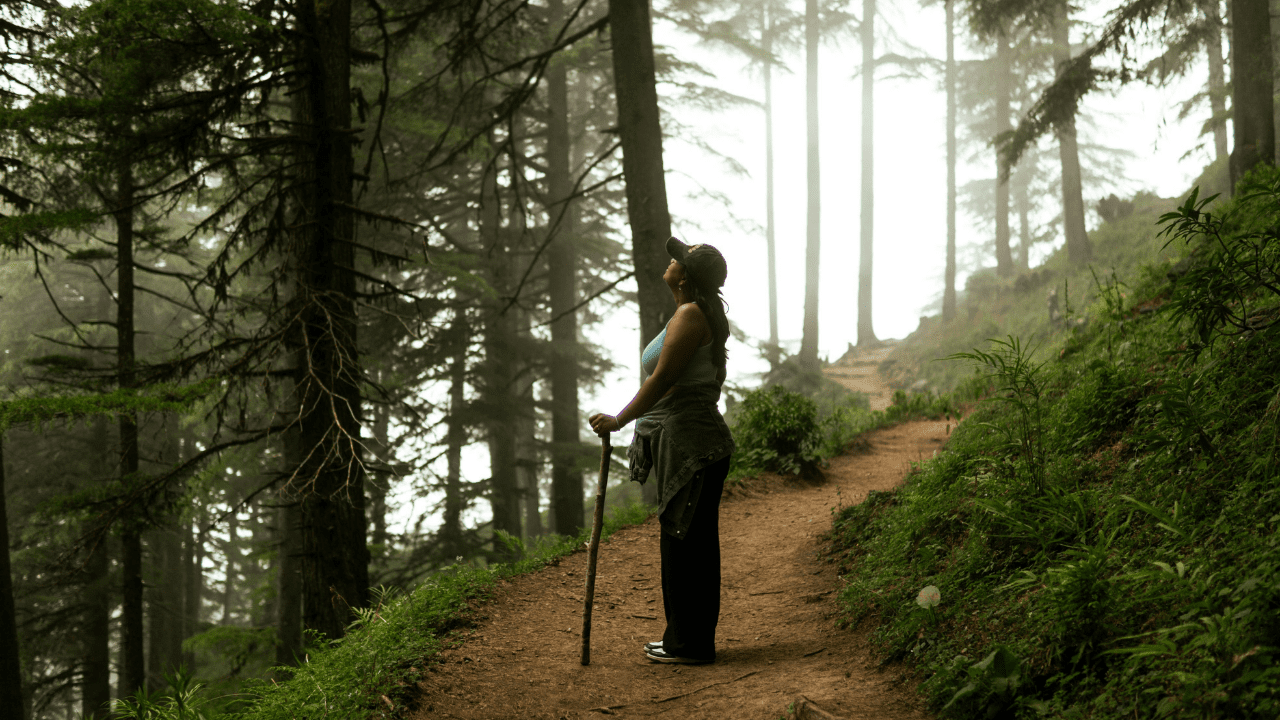
Trail conditions change after sunset in ways that catch unprepared hikers off guard. Morning dew makes rocks and wooden bridges slippery. Temperature drops create fog in valleys that seemed clear hours earlier. Wildlife becomes more active, and encounters with deer, raccoons, or other animals happen with less warning than during daylight hours. These factors don’t make nighttime hiking dangerous, but they do require adjusted expectations and heightened awareness.
Building Night Hiking Skills Gradually
Jumping straight into long after-dark adventures sets up disappointment or worse. The smart approach involves building comfort and competence through progressively challenging experiences. Starting with short evening walks on familiar neighborhood trails allows adjustment to reduced visibility without serious consequences if things go wrong.
Twilight hiking provides a middle ground between full daylight and complete darkness. The hour after sunset still offers ambient light while introducing the sensory changes that come with fading visibility. This transition period helps hikers learn how their perception and balance adjust to darkness and provides practice using lights before they become absolutely necessary.
Moon phases dramatically affect nighttime trail experiences. Full moon nights provide enough natural light that artificial sources sometimes feel almost unnecessary on open trails. New moon periods create inky darkness that demands reliable lighting and sharp navigation skills. Planning early nighttime hikes around fuller moons reduces the learning curve and builds confidence for darker conditions later.
Safety Considerations That Actually Matter
Standard hiking safety advice applies even more critically after sunset. Telling someone the planned route and expected return time becomes non-negotiable rather than just recommended. Cell phone reception often remains spotty on trails, and getting help after dark takes longer than during daylight hours when more people might pass by.
Weather monitoring deserves extra attention before heading out after sunset. Conditions that seem manageable during daylight become more challenging in darkness. Rain makes trails slippery and reduces visibility even with good lights. Wind amplifies cold and makes it harder to hear approaching hikers or wildlife. Checking forecasts and having backup plans prevents situations where stubbornness turns a poor decision into a genuine problem.
The pace naturally slows after sunset, and accepting this reality rather than fighting it makes the experience more enjoyable. Trying to maintain daylight hiking speeds in darkness leads to fatigue, increased stumbling, and missed opportunities to appreciate the unique nighttime environment. Building extra time into plans accounts for the slower pace and removes the pressure to rush through sections that deserve careful navigation.
What Makes It Worth the Extra Effort
The practical benefits of extending hiking days beyond sunset matter, but the real draw comes from the distinctive experiences that only happen after dark. Night skies away from city lights reveal star fields that seem impossible in light-polluted areas. The Milky Way stretches across the sky in a way that stops hikers in their tracks, and meteor showers become worth planning trips around.
The psychological shift that accompanies nighttime hiking creates a different relationship with the outdoors. Senses heighten, focus sharpens, and the immediate surroundings demand more attention than they might during casual daytime walks. This intensity can feel meditative, as the reduced visual input quiets the mental chatter that often accompanies hiking.
After-dark hiking isn’t for everyone, and that’s perfectly fine. But for those willing to prepare properly and build skills gradually, trails after sunset offer experiences that rival or surpass their daylight counterparts. The combination of solitude, unique sensory input, and the satisfaction of expanding outdoor comfort zones makes evening and nighttime hiking worth exploring. With reliable gear, appropriate trail selection, and realistic expectations about pace and conditions, the hours after sunset become just another part of the day available for trail adventures rather than a boundary that limits them.
See more travel posts here

Becky is the voice behind Life in Velvet, an organised, intentional living blog focused on practical food, calm homes, thoughtful projects, and everyday systems that make real life feel easier. A mum of 3 living in the UK, Becky writes from lived experience, sharing what works, what doesn’t, and the decisions that make family life run more smoothly.
With a background in marketing and content writing, and over a decade of blogging experience, she brings a thoughtful, structured approach to everything from baking and home projects to routines and decision-making. Life in Velvet is where planning meets creativity, with ideas designed for real homes and real life.