
Most people desire a beautiful garden but the hard work of weeding, dead heading, lawn care, pruning, clearing and maintenance is where dreams get dashed! Thankfully, a beautiful outdoor space does not have to entail spending every Saturday and Sunday with shears in hand. With good planning from day one, gardens can be designed to work hard for themselves and still look gorgeous.
Low Effort Doesn’t Mean Low Aesthetic Value
The trick to making a garden low maintenance isn’t finding short cuts or settling for dull aesthetics. Instead, it’s about planting and designing in a way where ongoing effort is reduced but the visual appeal remains strong. This is where foresight really pays off. The key components to such plans are hard landscaping – the elements that are permanent and stand the test of time without needing much work from season to season.
Patios, paths and terraces are good boundaries that do not require mowing, hardly require cleaning and improve curb appeal. When properly installed with the right materials, hardscapes can last decades with little to no additional work needed. It’s all about proper placement from the get-go, which is why many homeowners consult professionals like those at Whitefoot Landscapes or contractors close to home who know best how to keep things thriving for the long haul.
Good paving isn’t only aesthetically pleasing, it suppresses weeds and ensures designated spaces. It reduces the lawn cutting requirement too, meaning if a patio is installed in a strategic spot, homeowners can save on lawn cutting and create a more usable space in the garden at the same time.
Plants That Do Their Job
At this junction of planting/designing is where the real magic comes in. Certain plants are lazier than others while some require constant care and upkeep. The goal is to fill garden beds with plants that naturally fit the surrounding climate and soil.
Evergreen shrubs are a great option since they won’t require replanting in the fall; they keep gardens looking full through the cold months when everything else has died back. Ornamental grasses provide movement with minimal effort – just needing trimming once a year. Ground cover filler plants fill gaps naturally (suppressing weeds by overpowering them before they can get established).
Perennials that reestablish themselves year after year save labor costs and expenses since there’s no need for replanting after the first year. Once settled in, many just need a spring tidy. In stark contrast, bedding plants that need replanting twice a year require much more time and financial investment during each season.
Smart Surfaces
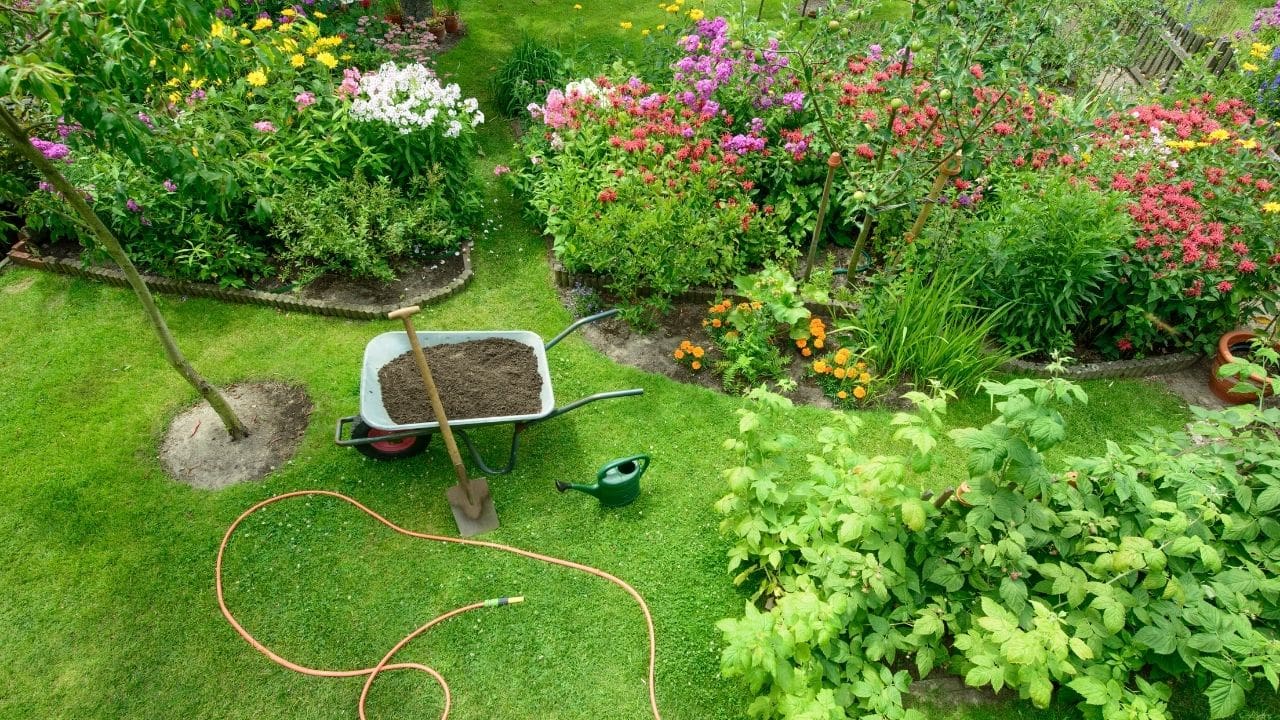
Perhaps what’s most telling about whether a garden requires effort is what makes up the ground surface. Bare soil means weeds. Lots of grass means cutting, edging, feeding, scarifying…but there are other options that look just as natural and aesthetically pleasing.
Gravel makes for great paths and borders; it drains well, suppresses weeds when laid down over membrane and never requires cutting. Decorative bark does similar work in planting beds – maintains moisture while helping suppress weeds. These two elements also cost less than replanting year over year while maintaining an aesthetically pleasing look as opposed to a neglected one.
Artificial grass is somewhat controversial. However, in certain scenarios its placement makes sense. Front gardens that never get utilized, shaded spots where real grass cannot survive, areas where children play heavily – this is when other choices save literally hours upon hours of hard work while still looking appropriate.
Make Boundaries Work For You
Fences and screening are often an afterthought yet used properly can reduce work over time as well. A hedge takes three hours twice a year to trim; a nice fence with climbing plants made at installation works far better for low maintenance appeal.
Raised beds with combined edging prevent grass from creeping into beds – one of the most tedious jobs on the planet is getting rid of grass growing in between pepper plants. Raised beds also improve drainage when defined, help warm up in early spring (v/s all of it being flat), and make planting kinder to the back. This just takes some time to build correctly but pays off in effort saved within one season.
Watering Made Easy
No one wants to be lugging around hoses on summer nights. Irrigation systems sound fancy but simplified ones aren’t costly or complicated. Even soaker hoses on timers can do wonders for plants without daily hand watering intervention.
Heavy mulching around plants retains moisture so there’s not as much watering needed or required. It also helps suffocate weeds while adding nutrients to the soil as it decomposes – three chores solved with one option.
Effort From Day One
The pattern here is simple: if you want less work forever—invest up front. Gardens designed with maintenance in mind don’t look bare or unattractive, they just work smarter. Strong structural elements combined with excellent plant choices and practical surfaces make for aesthetics that always look presentable without complex maintenance.
It’s often a misconception that gardens which beg for constant attention are worse off than those that seem self sustaining. It’s rarely true; it’s often just about making better design decisions from day one. Bringing professional help into play for planned concepts avoids pitfalls that create years of additional work down the line. The garden that works hard so you don’t have to is not merely a dream, it’s something that’s quite easy to achieve when you make smart choices from day one!
See more garden posts here

Becky is the voice behind Life in Velvet, an organised, intentional living blog focused on practical food, calm homes, thoughtful projects, and everyday systems that make real life feel easier. A mum of 3 living in the UK, Becky writes from lived experience, sharing what works, what doesn’t, and the decisions that make family life run more smoothly.
With a background in marketing and content writing, and over a decade of blogging experience, she brings a thoughtful, structured approach to everything from baking and home projects to routines and decision-making. Life in Velvet is where planning meets creativity, with ideas designed for real homes and real life.