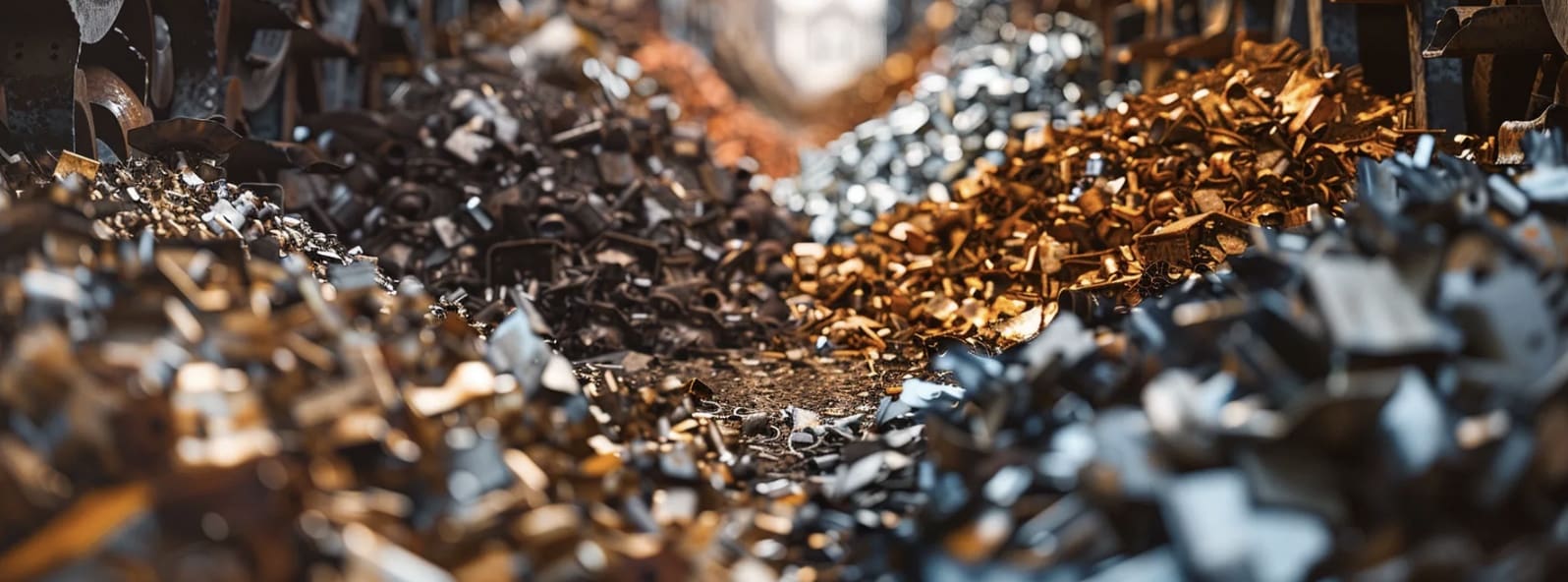
Selling scrap metal can be a lucrative endeavor for those looking to make some extra cash from materials that would otherwise go to waste. Whether you’re cleaning out a garage full of old car parts or dismantling outdated machinery, understanding the process can help you turn metals into money.
Understanding the Basics of Scrap Metal Selling
Before you begin selling scrap metal, it’s vital to know what constitutes scrap and what buyers are looking for. Scrap metal is divided into two main categories: ferrous, containing iron and steel, and non-ferrous, which encompasses metals like copper, aluminum, brass, and more. Each type has its value and specific market demands. Sellers should become familiar with these categories to better understand the potential value of their scrap.
Knowing your local regulations pertaining to scrap metal is also essential. Some areas may have specific rules on collecting or selling certain types of metal due to environmental concerns or theft prevention. Researching these regulations will ensure that your scrap metal selling efforts are legal and ethical. This is also the right stage to decide whether this will be a one-time sale or a steady side gig, as this can influence your strategy.
Next, you’ll need to gather and organize your materials. This includes assessing the condition of your metal, as some buyers may only accept scrap that’s free of corrosion, paints, or other contaminants. At this point, consider reaching out to local scrap yards or buyers, like those specializing in metal recycling Battle Creek, to inquire about their requirements and rates. This initial contact can be invaluable as you prepare your metal for sale.
Additionally, it’s helpful to understand the pricing of scrap metal, which can fluctuate frequently based on market demand. Checking with multiple buyers for prices can help ensure you get the fairest rate for your materials. Websites and online resources can also provide insights into current market trends and pricing averages.
Preparing Scrap Metal for Sale: Cleaning and Disassembly
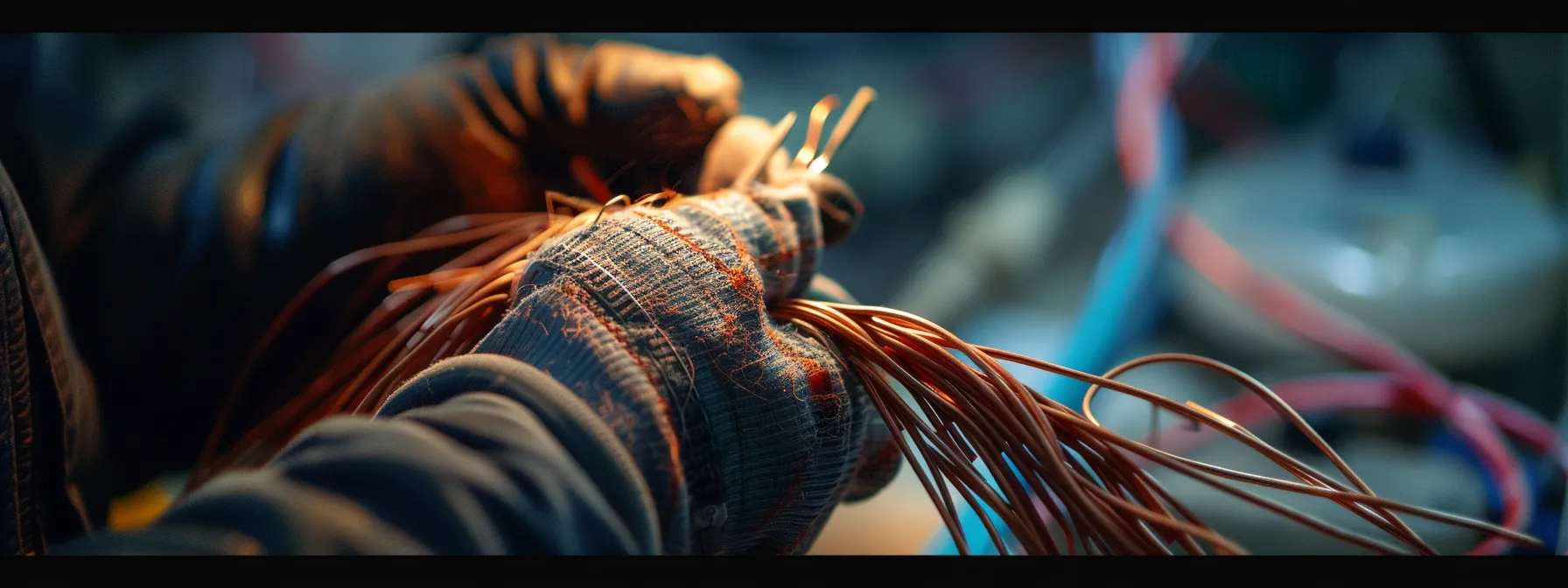
Once you have sorted your metals, it’s time to prepare them for sale by cleaning and disassembling parts when necessary. Buyers prefer clean metal because it’s ready for recycling and saves them additional processing steps. As such, removing any attachments, such as plastic insulation from wires, or any other non-metal components from your scrap can increase its value.
For many metals, cleaning simply involves wiping off dirt or detaching foreign materials. However, some metals may need additional steps, like stripping rubber or plastic coatings from copper wiring to expose the valuable metal within. Patience and attention to detail during this process can make a noticeable difference in your metal’s selling price.
In terms of disassembly, be careful when taking apart complex items like engines or electronic devices. Some components may have specialized recyclable materials you can separate and sell individually. In fact, small parts like printed circuit boards can hold precious metals which are highly sought after by certain buyers.
Please remember that improperly disposing of hazardous materials could be dangerous and illegal. Items such as batteries, refrigerants, or any scrap with chemical residues should be handled with care. In some cases, it might be worth reaching out to a professional recycler to process such materials.
Finding the Right Scrap Metal Buyer: What to Look For
When you’re ready to sell, finding the right scrap metal buyer is crucial. Look for established businesses with good reputations within the community. You’d want to deal with legitimate companies that follow all relevant regulations and offer fair prices for your metal. Sustainability practices can also be a factor, as some buyers prioritize eco-friendly recycling methods.
Personal recommendations can be invaluable in selecting a buyer. Ask friends or colleagues who have sold scrap metal for their experiences and suggestions. Reading online reviews and consulting with local trade organizations can also provide insights into a buyer’s business practices and reliability.
Consider location and scale when selecting a buyer. A nearby buyer may offer convenience and lower transportation costs, but larger buyers or those further away might offer better prices due to higher volume processing capabilities. Weigh the costs and benefits to find the best option for your situation.
Additionally, transparent communication from buyers is essential. They should be willing to explain their pricing structure and how they assess the value of your scrap. In turn, be straightforward with buyers about the volume and type of metal you have to sell. Clear communication can avoid misunderstandings and help cement a positive selling experience.
Overall, the journey of selling scrap metal highlights one’s ability to harness entrepreneurial skills while participating in global sustainability efforts. With careful attention to the factors above, anyone can tap into the profitable world of metal recycling.
See more business posts here

Becky is the voice behind Life in Velvet, an organised, intentional living blog focused on practical food, calm homes, thoughtful projects, and everyday systems that make real life feel easier. A mum of 3 living in the UK, Becky writes from lived experience, sharing what works, what doesn’t, and the decisions that make family life run more smoothly.
With a background in marketing and content writing, and over a decade of blogging experience, she brings a thoughtful, structured approach to everything from baking and home projects to routines and decision-making. Life in Velvet is where planning meets creativity, with ideas designed for real homes and real life.